Introduction
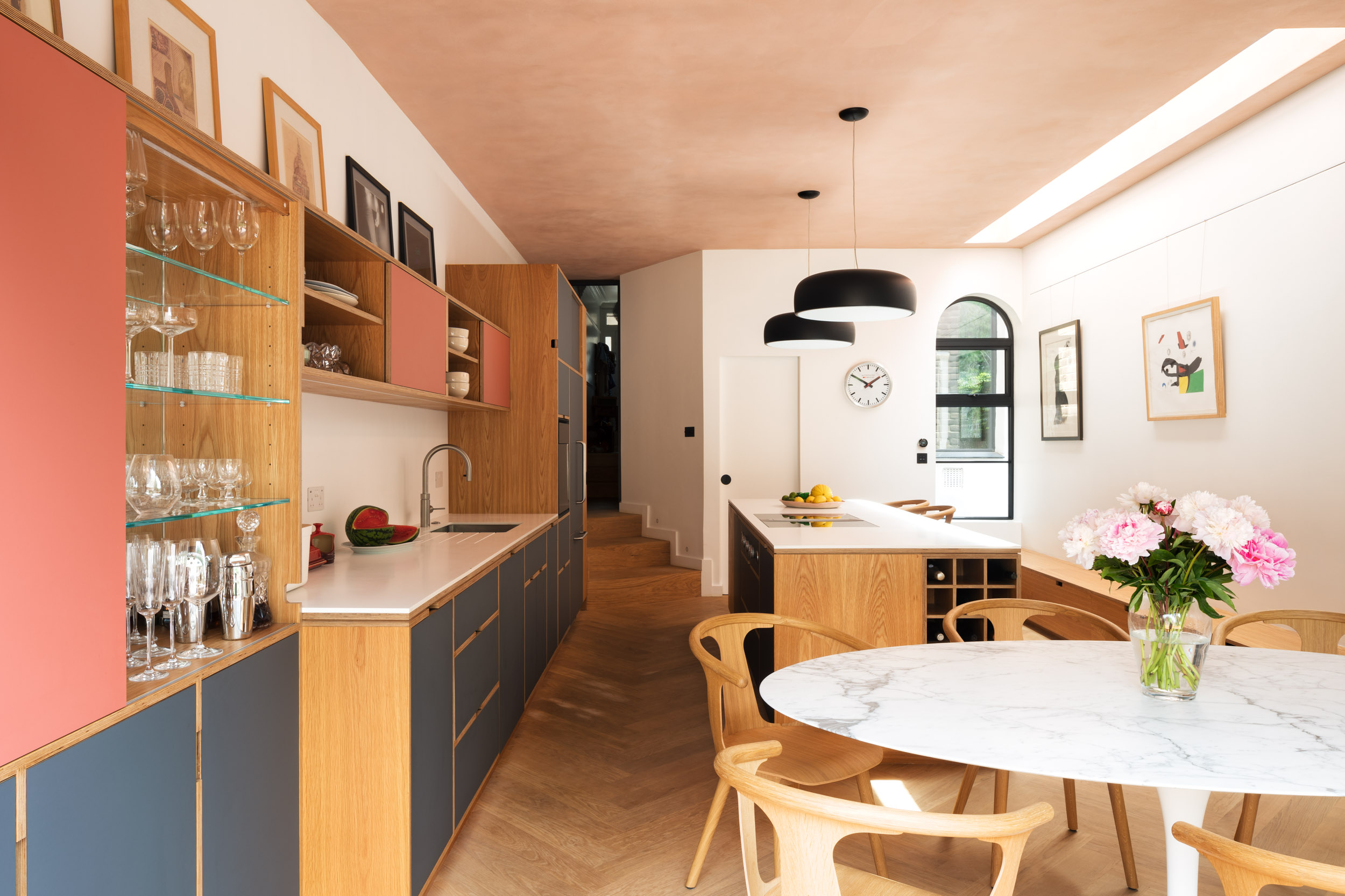
In modern Nepali kitchens, especially in Kathmandu, Bhaktapur, and Lalitpur, a kitchen chimney is no longer a luxury — it’s practically essential. Whether you’re frying spicy achar, deep-frying tempura, or simmering dal, a good chimney helps remove oil, smoke, and odors, keeping your kitchen clean and your air healthy.
At Multipower Solution, we offer a wide range of chimneys suited to Nepali cooking styles and home layouts. In this guide, we’ll walk you through how to choose the best kitchen chimney in Nepal, what to expect in terms of price and suction power, and how to get it installed properly.
What Is a Kitchen Chimney & Why You Need One
A kitchen chimney (also called a hood or range hood) is a ventilation device mounted above your stove that captures and expels airborne grease, fumes, smoke, and heat. It typically works through a combination of suction (via a motor) and filters or ducts.
Why it’s especially useful in Nepali kitchens:
- Traditional Nepali cooking uses high heat and a lot of oil, producing greasy smoke.
- Small or poorly ventilated kitchens (common in Kathmandu Valley homes) trap fumes easily.
- Cooking with spices can create odor persistence, which a chimney helps minimize.
- Over time, lack of proper ventilation can damage walls or ceilings with grease deposits.
Key Factors to Consider When Buying a Kitchen Chimney in Nepal
1. Suction Power (m³/h)
Suction power is one of the most important metrics. It determines how effectively the chimney can pull out smoke and grease from your kitchen.
- Use the guide: Length × Width × Height × 10 = Required m³/h, as suggested in chimney-selection guides. (brd.so)
- For a typical Nepali apartment or small kitchen, 500–800 m³/h may be enough. But if you do heavy frying, go for higher suction.
- The Navata NA LINEAR TG BK 90 model, for instance, offers 1,250 m³/h, which is ideal for large stoves or frequent frying. (Shumbham Tech)
- Higher suction generally means more power and potentially more noise, so find a balance for your space.
2. Filter vs Filterless
- Filter Chimneys: Use metal or baffle filters to trap grease. These need regular cleaning but are very effective.
- Filterless / Auto-Clean: These chimneys (like some Faber models) have mechanisms to vaporize or flush away oil–grease, reducing maintenance. (Shumbham Tech)
- For Nepali cooking, which tends to produce a lot of grease, auto-clean chimneys can save time and effort.
3. Size / Width
Choose a chimney that matches or is slightly wider than your stove / cooktop.
- A 60 cm chimney is common for 2-burner stoves.
- 75 cm or 90 cm chimneys better suit 3- or 4-burner stoves.
- For example, Faber has a 90 cm model with very high performance. (Faber Nepal)
4. Control Panel
Modern chimneys come with different control options:
- Push Button: Simple and reliable.
- Touch Control: Sleek, easier to clean.
- Gesture / Motion Control: You can wave hands to turn on/off — less greasy contact.
5. Motor & Noise
- Look for a powerful yet efficient motor: BLDC (brushless DC) motors are becoming more popular for their energy efficiency and lower noise.
- Check the decibel (dB) rating: Some high-suction chimneys are loud, which may bother you during long cooking sessions.
6. Auto-clean & Maintenance
Auto-clean chimneys vaporize collected grease using heat, reducing manual cleaning.
Regular maintenance of filters (if present) helps maintain suction power and lifespan.
7. Brand & Warranty
- In Nepal, Faber is a very trusted brand, according to Bindu Hardware. (Bindu Hardware)
- When buying, check warranty on motor and body, plus access to service centers in Kathmandu, Bhaktapur, Lalitpur.
- After-sales support is critical — chimneys require maintenance, and good service ensures longevity.
Popular Chimney Models in Nepal (2026)
Here are some well-known kitchen chimney models available in Nepal, popular among homeowners and offered by local retailers:
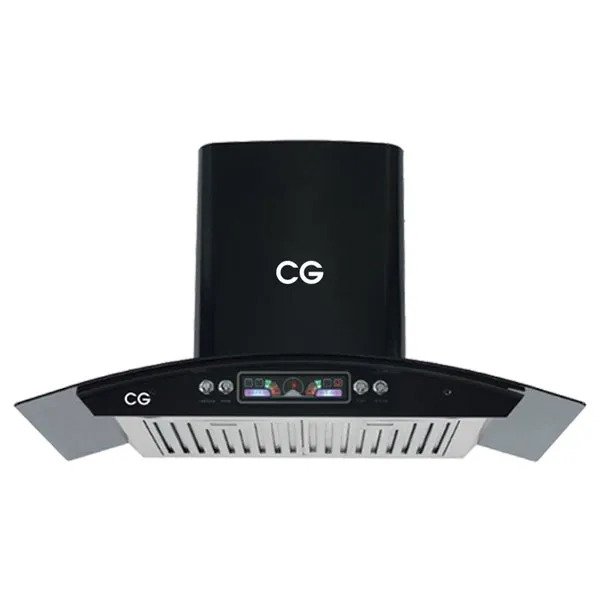
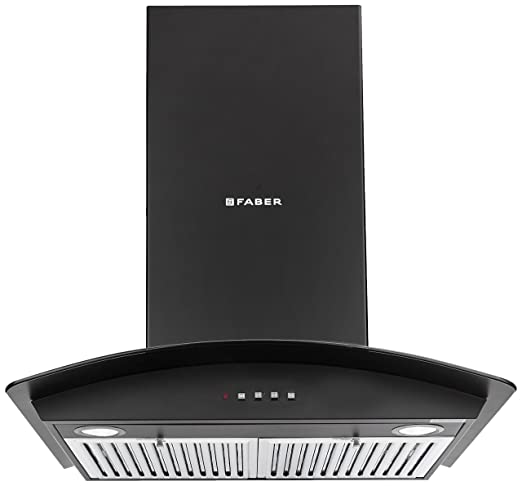
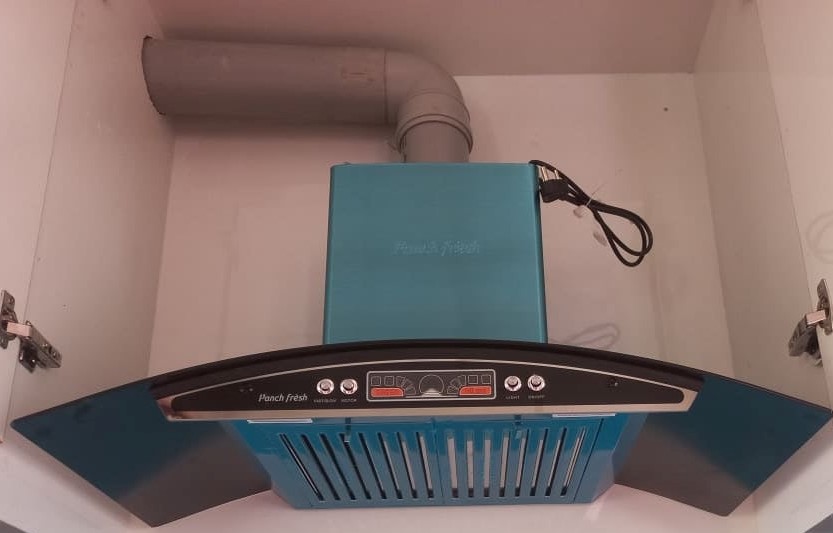
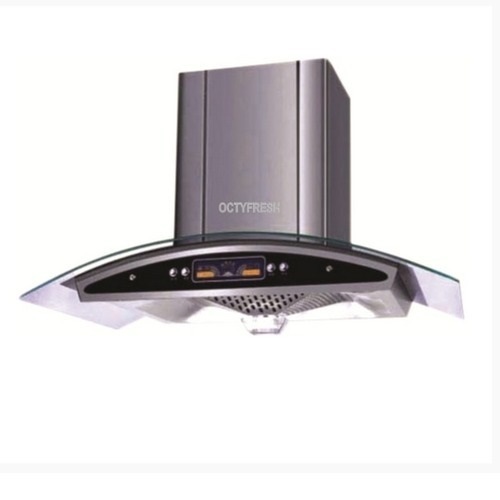
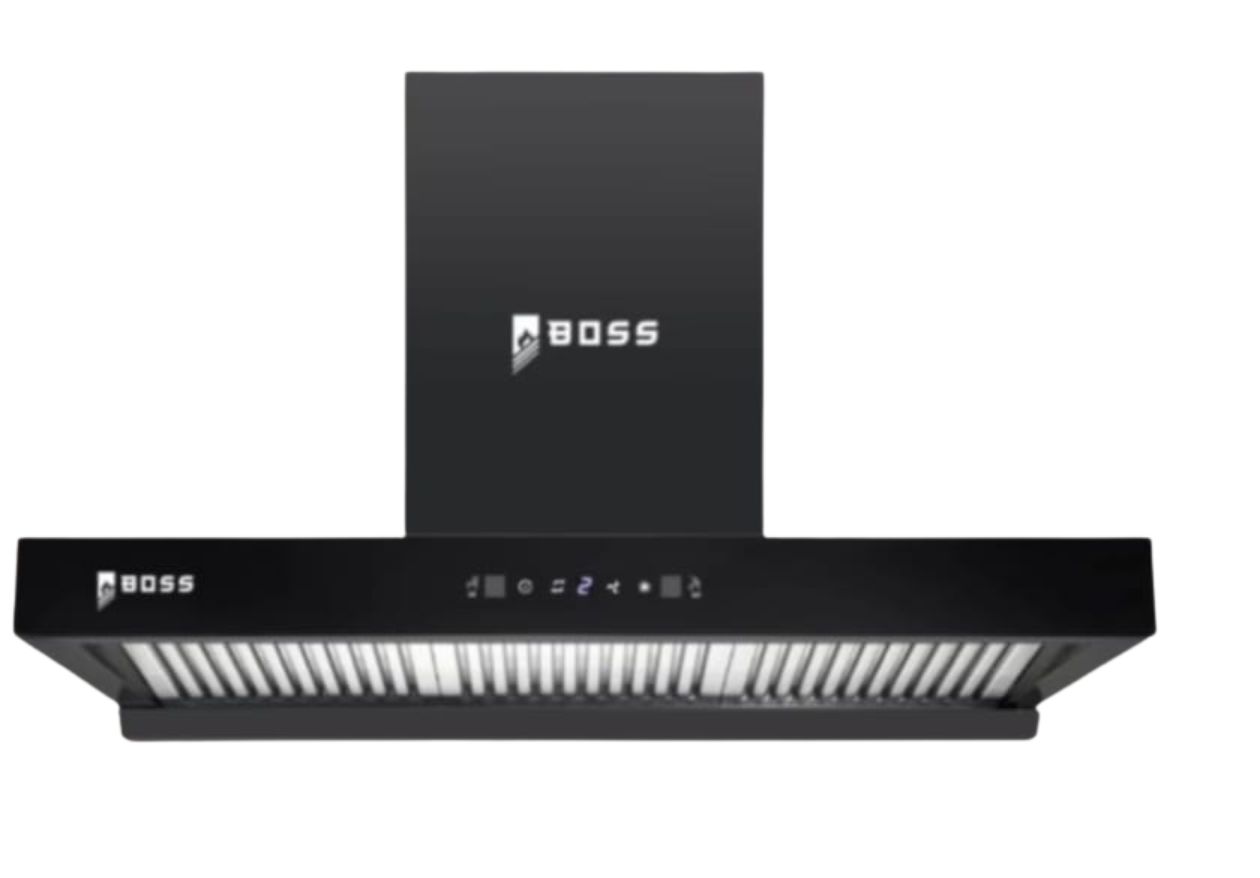
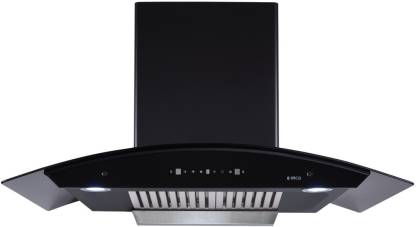
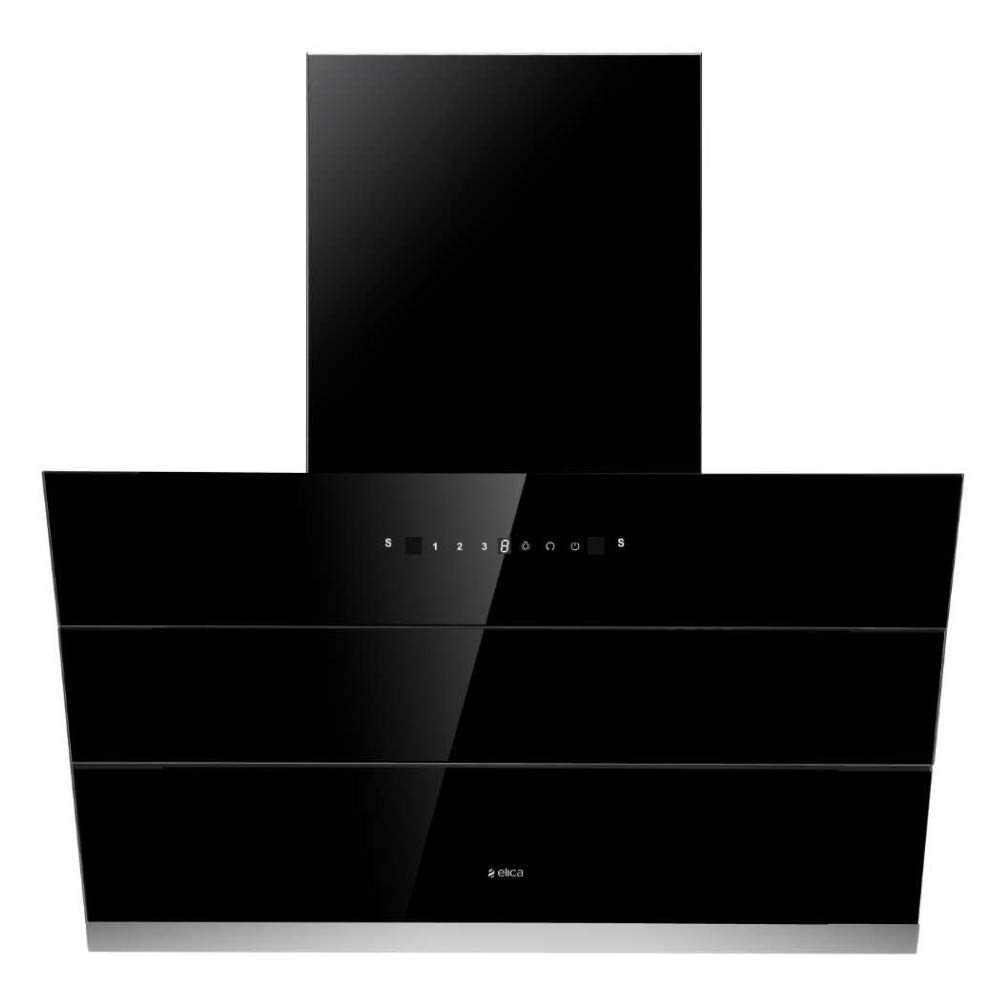
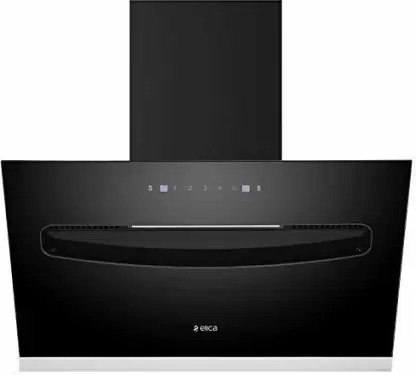
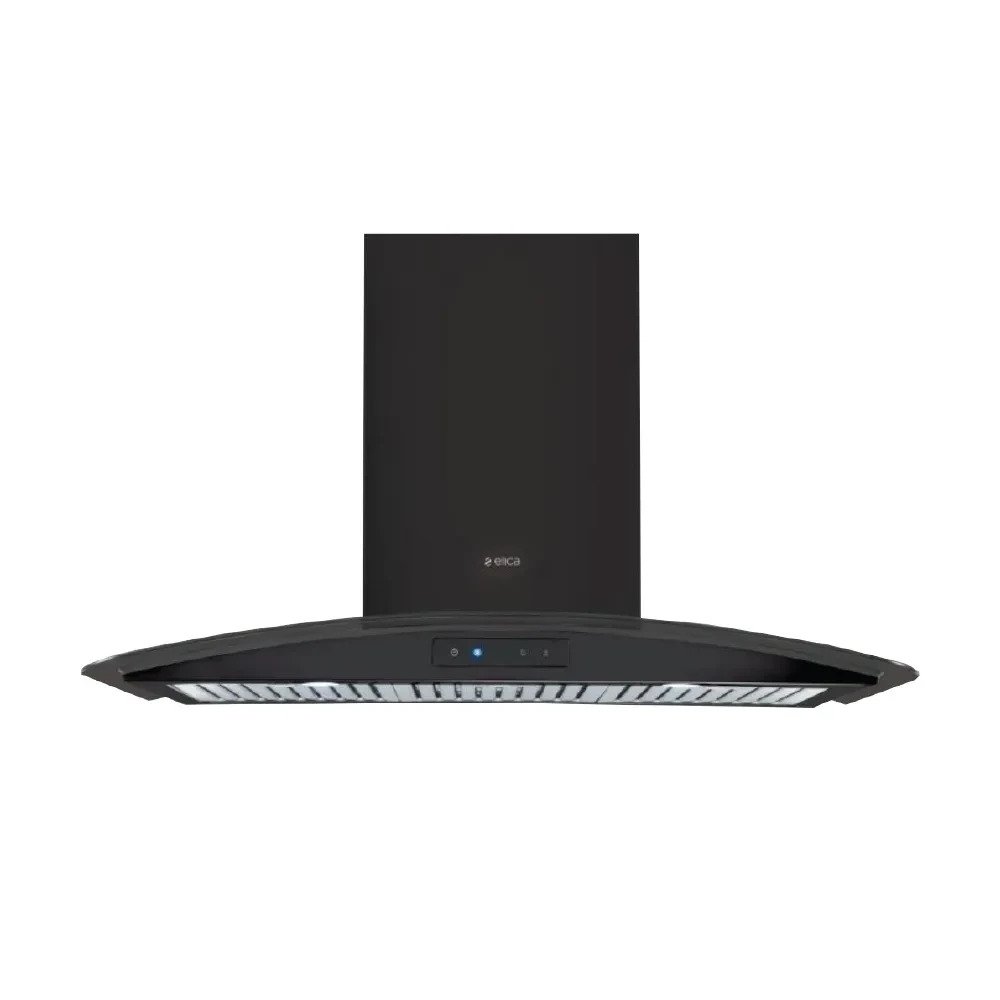
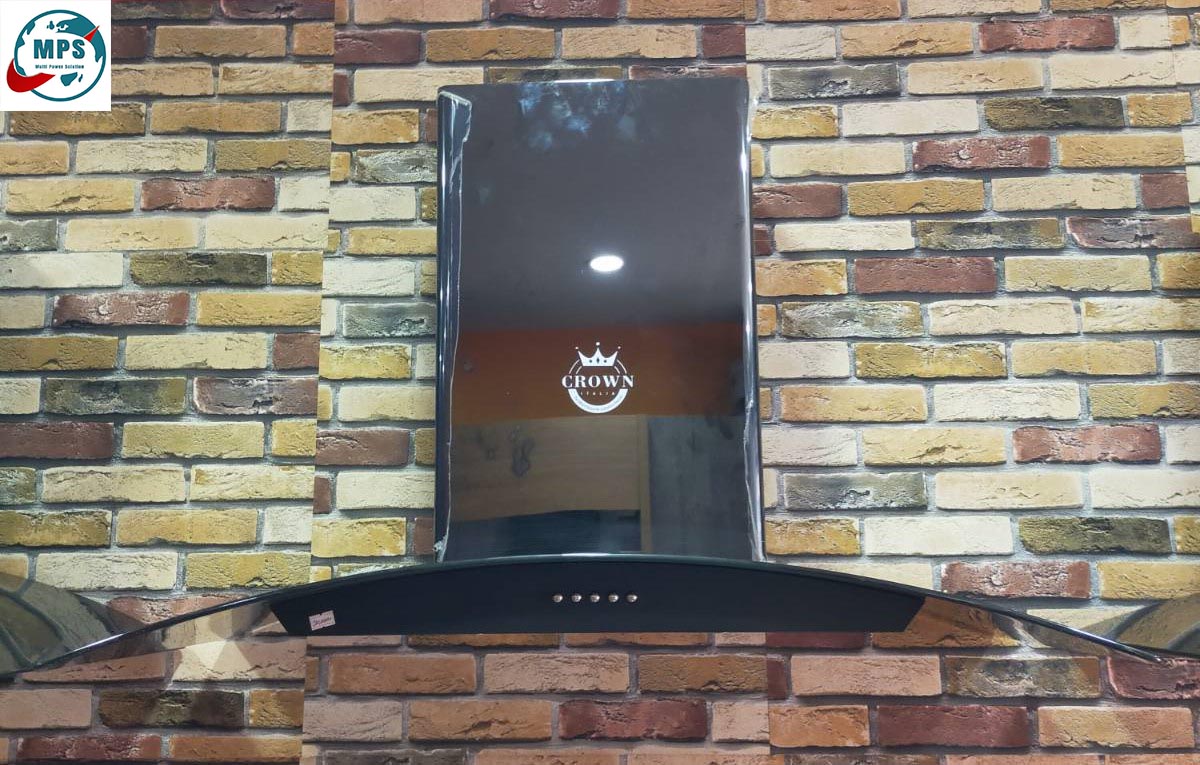
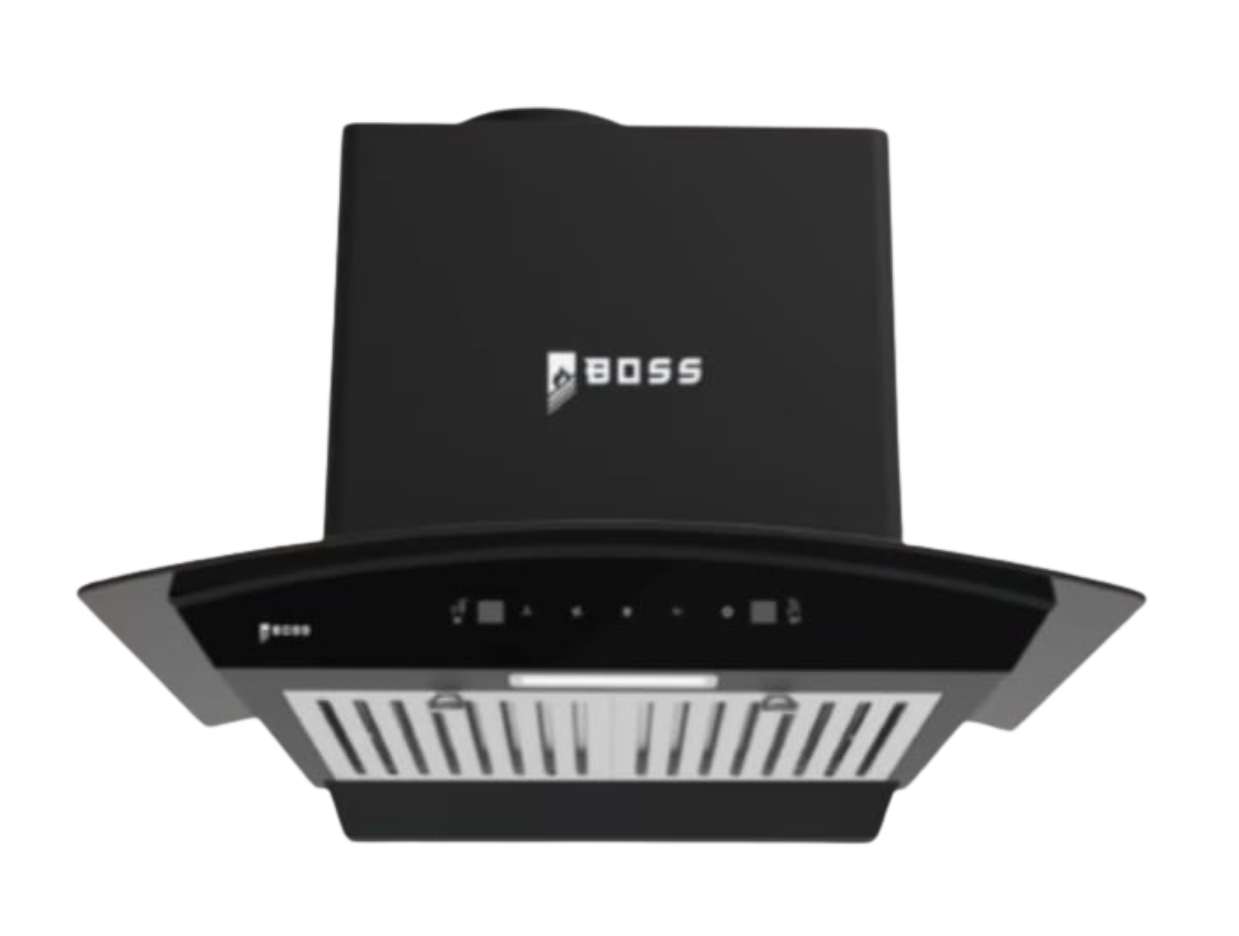
- Navata NA LINEAR TG BK 90 cm – 1,250 m³/h suction, filterless, touch/gesture control (Shumbham Tech)
- Faber Super 3D Plus 60 cm – 1,150 m³/h suction, 3-layer baffle filters, touch sensor (Shumbham Tech)
- Faber Apex Filterless 90 cm – 1,500 m³/h, glass finish, no filter for easy cleaning (Shumbham Tech)
- Faber Magnus 90 cm – High suction, auto-clean, long motor warranty (Shumbham Tech)
These chimneys combine strong performance with features suited for Nepali cooking habits.
How to Estimate the Right Suction Requirement for Your Kitchen
Using the formula mentioned earlier (Length × Width × Height × 10) from trusted ventilation guidance, you can calculate what suction power is ideal for your kitchen. (brd.so)
For example:
If your kitchen is 3 m × 3 m × 2.7 m, you need a minimum of:
3 × 3 × 2.7 × 10 = 243 m³/h.
But considering oil-heavy cooking, it’s safer to pick a chimney with 600+ m³/h for good performance.
Installation & Maintenance Tips
- Ducting: Use the shortest possible ducting path with few bends. Long or highly curved ducts reduce airflow efficiency.
- Outlet Position: Ideally route the exhaust to the roof or outside a window.
- Cleaning: For filter chimneys, remove and wash the filter monthly (or more often if you cook a lot). For auto-clean chimneys, trigger the self-clean cycle as instructed by the manufacturer.
- Service: Choose a supplier in Kathmandu or nearby with service support — poor maintenance or dirty motors reduce chimney lifespan.
Pros & Cons of Installing a Chimney in a Nepali Home
Pros:
- Keeps the kitchen clean and free from oil and smoke
- Reduces odor and keeps air fresher
- Helps protect walls and cabinets from grease stains
- Good for health — less inhaling of oily fumes
- Increases value of your kitchen
Cons:
- Requires electricity + ducting
- Needs space for installation
- Filter chimneys require regular cleaning; filterless ones may cost more initially
- Noise from high suction models
FAQs
FAQ — Questions Nepali Customers Often Ask
1. What chimney size do I need for a 90 cm stove?
Choose a 90 cm wide chimney so it covers the entire stove for optimal smoke capture.
2. How much does a good kitchen chimney cost in Nepal?
Top brands like Faber range from NPR 30,000 to NPR 65,000+, depending on model and features. (AC GHAR)
3. Is filterless better than filter-based chimneys?
If you want low maintenance, go for a filterless or auto-clean model. But if your priorities are lower cost and easy part replacement, filter-based chimneys may be a better choice.
4. How often should I clean the chimney?
- Filter chimneys: Clean the filter every few weeks (or monthly for heavy cooking)
- Auto-clean: Use the self-clean function per the manual; deep clean fluid/oil tray occasionally
5. What suction power is ideal for Nepali cooking?
For typical Nepali kitchens (heavy frying, strong spices), aim for 800–1,200 m³/h suction for good efficiency.
Why Choose Multipower Solution for Your Kitchen Chimney
- Wide Range: We stock chimney models from top brands suitable for Nepali homes (Navata, Faber, etc.)
- Installation Support: Our team in Kathmandu, Bhaktapur & Lalitpur ensures proper setup and ducting
- Service & Maintenance: We offer after-sales services, filter replacements, and periodic cleaning
- Transparent Pricing: Competitive pricing, with no hidden costs on installation or parts
- Local Expertise: We know local kitchens, power supply, and ventilation challenges — and can help you choose the right suction, size, and model
Conclusion
A kitchen chimney is a game-changer for Nepali kitchens. It not only keeps your space clean but also protects your health by removing harmful fumes and grease. When choosing a chimney, focus on:
- Suction power
- Type (filter or filterless)
- Size
- Motor quality
- Maintenance needs
- Brand reliability and support
At Multipower Solution, we’re here to help you pick the best chimney for your needs in Nepal. Contact us now to explore our range, schedule a site visit, or get installation support tailored to Kathmandu, Bhaktapur, and Lalitpur.