Why a Washing Machine Guide Matters in Nepal
Washing machines are among the most essential home appliances — especially for busy urban families in Kathmandu, Lalitpur, Pokhara, and other growing cities. Nepali buyers now choose between front-loading and top-loading washing machines based on cost, water use, electricity efficiency, capacity, and features. Understanding the difference helps households make the best choice for long-term value. (Hitech)
This guide covers:
- Front load vs top load differences
- Pros & cons of each type
- Best options in the Nepali market
- How to choose based on family size
- FAQs for Nepali buyers
Front Load vs Top Load — Head-to-Head Comparison
🔹 What Is a Front Load Washing Machine?
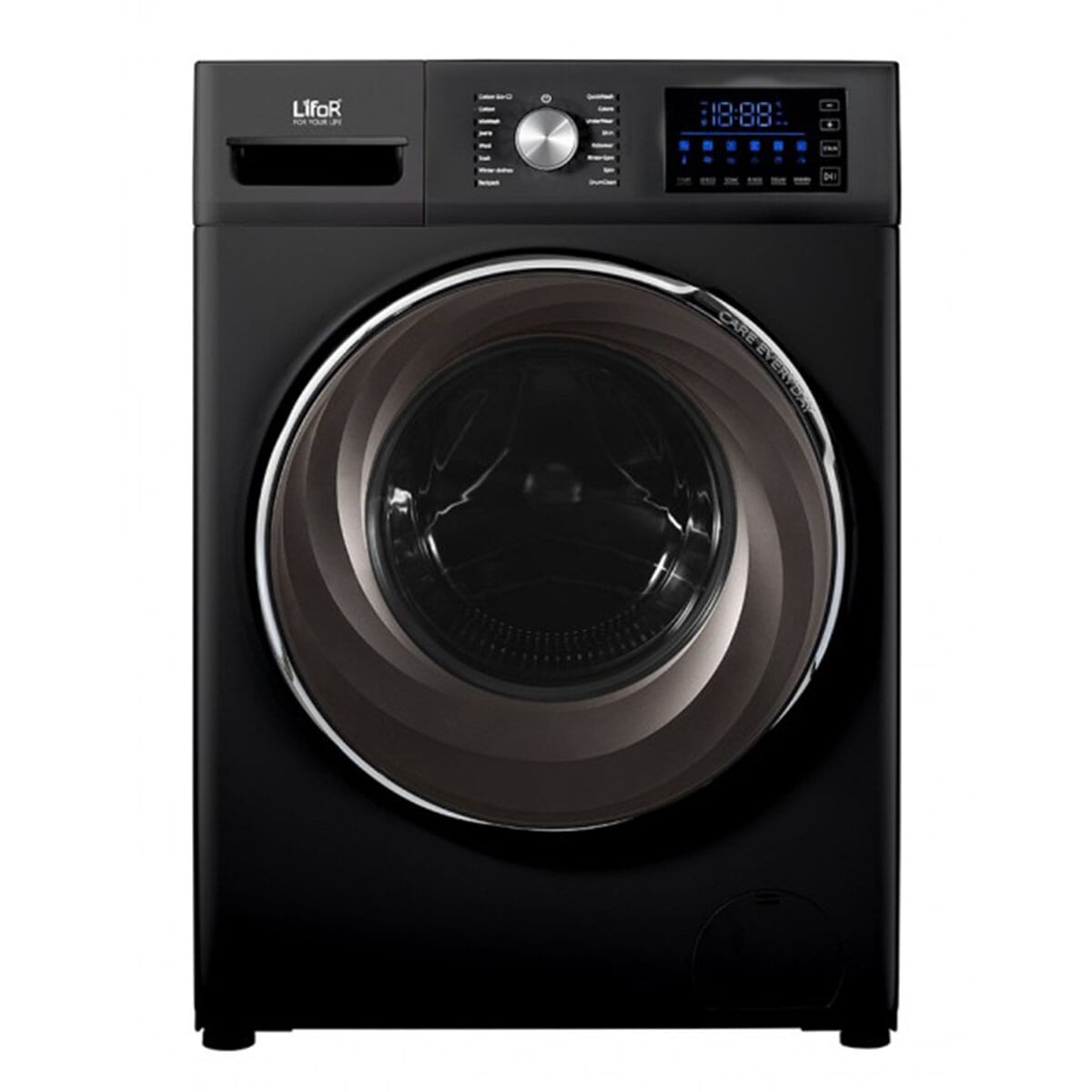
Front load washers have a front-facing drum and use a tumbling action that lifts and drops clothes in water with minimal detergent and water use. These are usually automatic and inverter-based for modern performance.
🔹 What Is a Top Load Washing Machine?
Top load machines open from the top and typically use an agitator or impeller to move clothes. They are often easier to load and perfect for Nepali homes where convenience and speed are priorities.
Front Load Washing Machines — Pros
1. Better Energy & Water Efficiency
Front loaders generally use less water and electricity, which is vital in Nepal given rising utility bills and households using inverter or solar backup systems. (Hyundai Electronics Nepal)
2. Gentler on Clothes
The tumbling action protects delicate fabrics better than the agitators commonly found in top load machines. (Hitech)
3. Advanced Features
Front loaders often include:
- Inverter motors
- Multiple wash programs
- Delay start
- Digital controls and sometimes steam or hygiene wash functions.
4. Space-Saving
Front load models can be stacked with dryers or placed under countertops — helpful in compact apartments in Kathmandu.
Front Load Washing Machines — Cons
- Higher initial cost: Prices are generally higher than top load units.
- Longer wash cycles: They tend to take a bit more time per cycle.
- Maintenance needs: Door gaskets can trap moisture, so occasional cleaning is needed to prevent odors.
Top Load Washing Machines — Pros
1. Budget-Friendly
Top load machines are generally more affordable than front load units — a key factor if you’re buying within a strict budget.
2. Faster Wash Cycles
They typically complete laundry cycles quicker, which can be useful for busy families or small households.
3. Easy to Load & Unload
No bending over is required — helpful for elderly users or anyone with mobility issues.
4. Add Clothes Mid-Cycle
Many top load models allow you to pause and add clothes during the wash — a convenience factor Nepali buyers appreciate.
Top Load Washing Machines — Cons
- Higher water & electricity use than front loaders.
- Rougher on fabrics due to agitator action.
- Bulky design with less flexibility to stack or fit under counters.
Washing Machine Prices in Nepal (2025–26 Snapshot)
Here’s a general view of price ranges (approx.) for washing machines available in Nepal right now:
- Top Load Washing Machines: NPR ~25,000–60,000+
- Front Load Washing Machines: NPR ~35,000–165,000+
These prices vary significantly depending on:
✔ Brand (Samsung, LG, Beko, Panasonic, CG, etc.)
✔ Capacity (7 kg, 8 kg, 9 kg, 10 kg+)
✔ Technology (inverter motors, smart features)
✔ Additional functions (steam wash, quick wash, hygiene cycles)
Front load models tend to be pricier due to advanced features and efficiency advantages.
How to Choose the Right Washing Machine for Your Home
1. Family Size & Capacity Guide
- 5–6 kg: Singles or couples
- 7–8 kg: Small families (3–4 people)
- 8–9 kg: Medium families (4–6 people)
- 10+ kg: Large families or frequent laundry needs
2. Water & Electricity Costs
Front load machines use less water and power — making them ideal for urban users with limited utility budgets.
3. Load Convenience
If you wash multiple times a week or prefer quicker cycles, a top load might serve you better — especially in households where laundry habits are frequent.
4. Space Considerations
Front loaders are more compact overall and can be installed under counters or stacked with a dryer, which is a benefit in smaller Nepali homes.
5. Budget & Long-Term Value
Front load models may cost more upfront, but they often save money over time due to lower water and electricity use.
Recommended Washing Machine Types in Nepal
🔹 Best for Energy Efficiency & Long-Term Use
Front Load Washing Machines — Best choice if your budget allows and you want long-term savings and gentle fabric care.
🔹 Best for Budget & Ease of Use
Top Load Washing Machines — Great for quick laundry cycles, simple operation, and lower upfront cost.
FAQs – Washing Machines in Nepal
Q1. Which washing machine type uses less water?
Front load washing machines are generally more water-efficient than top loaders.
Q2. Are front load machines more expensive in Nepal?
Yes, front loaders typically have a higher initial cost but can save on utilities over time.
Q3. Can I add clothes mid-cycle in a front load machine?
Most front load machines require pausing and opening the door once water levels are safe, while many top load machines allow easier mid-cycle access.
Q4. Which is best for a large family in Nepal?
Front load machines with higher capacity (8–10+ kg) are excellent for larger families due to better cleaning efficiency and capacity.
Front Load vs Top Load Washing Machines in Nepal
| Feature | Front Load | Top Load |
| Water Efficiency | ⭐⭐⭐⭐ | ⭐⭐ |
| Energy Efficiency | ⭐⭐⭐⭐ | ⭐⭐⭐ |
| Fabric Care | ⭐⭐⭐⭐ | ⭐⭐⭐ |
| Ease of Use | ⭐⭐ | ⭐⭐⭐⭐ |
| Wash Speed | ⭐⭐ | ⭐⭐⭐ |
| Price (Upfront) | Higher | Lower |
| Space Flexibility | ⭐⭐⭐ | ⭐⭐ |
Front load machines dominate in efficiency and long-term value, while top load units shine in budget-friendly convenience.
Ready to choose the best washing machine for your home?
Contact Multi Power Solution for expert advice and the latest home appliances in Nepal.