Sustainable Quality Solutions for a Modern Home
0

Category: Appliances

  • Home
  • Category: Appliances
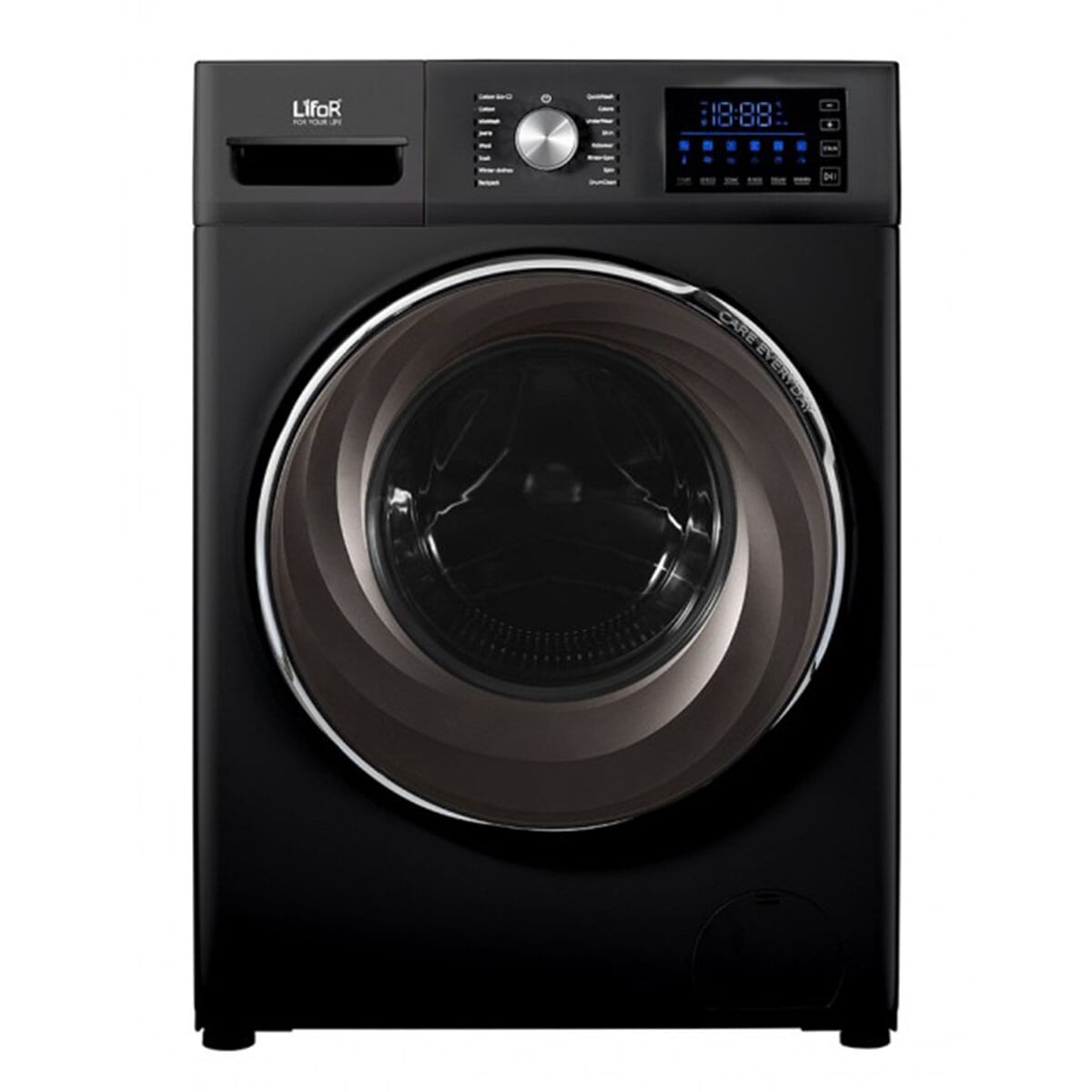
lifor washing machine in Nepal

Best Washing Machine in Nepal – Front Load vs Top Load (2026 Guide)

Why a Washing Machine Guide Matters in Nepal

Washing machines are among the most essential home appliances — especially for busy urban families in Kathmandu, Lalitpur, Pokhara, and other growing cities. Nepali buyers now choose between front-loading and top-loading washing machines based on cost, water use, electricity efficiency, capacity, and features. Understanding the difference helps households make the best choice for long-term value. (Hitech)

This guide covers:

  • Front load vs top load differences
  • Pros & cons of each type
  • Best options in the Nepali market
  • How to choose based on family size
  • FAQs for Nepali buyers

Front Load vs Top Load — Head-to-Head Comparison

🔹 What Is a Front Load Washing Machine?

Front load washers have a front-facing drum and use a tumbling action that lifts and drops clothes in water with minimal detergent and water use. These are usually automatic and inverter-based for modern performance.

🔹 What Is a Top Load Washing Machine?

Top load machines open from the top and typically use an agitator or impeller to move clothes. They are often easier to load and perfect for Nepali homes where convenience and speed are priorities.

Front Load Washing Machines — Pros

1. Better Energy & Water Efficiency

Front loaders generally use less water and electricity, which is vital in Nepal given rising utility bills and households using inverter or solar backup systems. (Hyundai Electronics Nepal)

2. Gentler on Clothes

The tumbling action protects delicate fabrics better than the agitators commonly found in top load machines. (Hitech)

3. Advanced Features

Front loaders often include:

  • Inverter motors
  • Multiple wash programs
  • Delay start
  • Digital controls and sometimes steam or hygiene wash functions.

4. Space-Saving

Front load models can be stacked with dryers or placed under countertops — helpful in compact apartments in Kathmandu.

Front Load Washing Machines — Cons

  • Higher initial cost: Prices are generally higher than top load units.
  • Longer wash cycles: They tend to take a bit more time per cycle.
  • Maintenance needs: Door gaskets can trap moisture, so occasional cleaning is needed to prevent odors.

Top Load Washing Machines — Pros

1. Budget-Friendly

Top load machines are generally more affordable than front load units — a key factor if you’re buying within a strict budget.

2. Faster Wash Cycles

They typically complete laundry cycles quicker, which can be useful for busy families or small households.

3. Easy to Load & Unload

No bending over is required — helpful for elderly users or anyone with mobility issues.

4. Add Clothes Mid-Cycle

Many top load models allow you to pause and add clothes during the wash — a convenience factor Nepali buyers appreciate.

Top Load Washing Machines — Cons

  • Higher water & electricity use than front loaders.
  • Rougher on fabrics due to agitator action.
  • Bulky design with less flexibility to stack or fit under counters.

Washing Machine Prices in Nepal (2025–26 Snapshot)

Here’s a general view of price ranges (approx.) for washing machines available in Nepal right now:

  • Top Load Washing Machines: NPR ~25,000–60,000+
  • Front Load Washing Machines: NPR ~35,000–165,000+

These prices vary significantly depending on:
✔ Brand (Samsung, LG, Beko, Panasonic, CG, etc.)
✔ Capacity (7 kg, 8 kg, 9 kg, 10 kg+)
✔ Technology (inverter motors, smart features)
✔ Additional functions (steam wash, quick wash, hygiene cycles)

Front load models tend to be pricier due to advanced features and efficiency advantages.

How to Choose the Right Washing Machine for Your Home

1. Family Size & Capacity Guide

  • 5–6 kg: Singles or couples
  • 7–8 kg: Small families (3–4 people)
  • 8–9 kg: Medium families (4–6 people)
  • 10+ kg: Large families or frequent laundry needs

2. Water & Electricity Costs

Front load machines use less water and power — making them ideal for urban users with limited utility budgets.

 3. Load Convenience

If you wash multiple times a week or prefer quicker cycles, a top load might serve you better — especially in households where laundry habits are frequent.

4. Space Considerations

Front loaders are more compact overall and can be installed under counters or stacked with a dryer, which is a benefit in smaller Nepali homes.

5. Budget & Long-Term Value

Front load models may cost more upfront, but they often save money over time due to lower water and electricity use.

Recommended Washing Machine Types in Nepal

🔹 Best for Energy Efficiency & Long-Term Use

Front Load Washing Machines — Best choice if your budget allows and you want long-term savings and gentle fabric care.

🔹 Best for Budget & Ease of Use

Top Load Washing Machines — Great for quick laundry cycles, simple operation, and lower upfront cost.

FAQs – Washing Machines in Nepal

Q1. Which washing machine type uses less water?

Front load washing machines are generally more water-efficient than top loaders.

Q2. Are front load machines more expensive in Nepal?

Yes, front loaders typically have a higher initial cost but can save on utilities over time.

Q3. Can I add clothes mid-cycle in a front load machine?

Most front load machines require pausing and opening the door once water levels are safe, while many top load machines allow easier mid-cycle access.

Q4. Which is best for a large family in Nepal?

Front load machines with higher capacity (8–10+ kg) are excellent for larger families due to better cleaning efficiency and capacity.

Front Load vs Top Load Washing Machines in Nepal

FeatureFront LoadTop Load
Water Efficiency⭐⭐⭐⭐⭐⭐
Energy Efficiency⭐⭐⭐⭐⭐⭐⭐
Fabric Care⭐⭐⭐⭐⭐⭐⭐
Ease of Use⭐⭐⭐⭐⭐⭐
Wash Speed⭐⭐⭐⭐⭐
Price (Upfront)HigherLower
Space Flexibility⭐⭐⭐⭐⭐

Front load machines dominate in efficiency and long-term value, while top load units shine in budget-friendly convenience.

multi power solution - reduce electricty bill in nepal

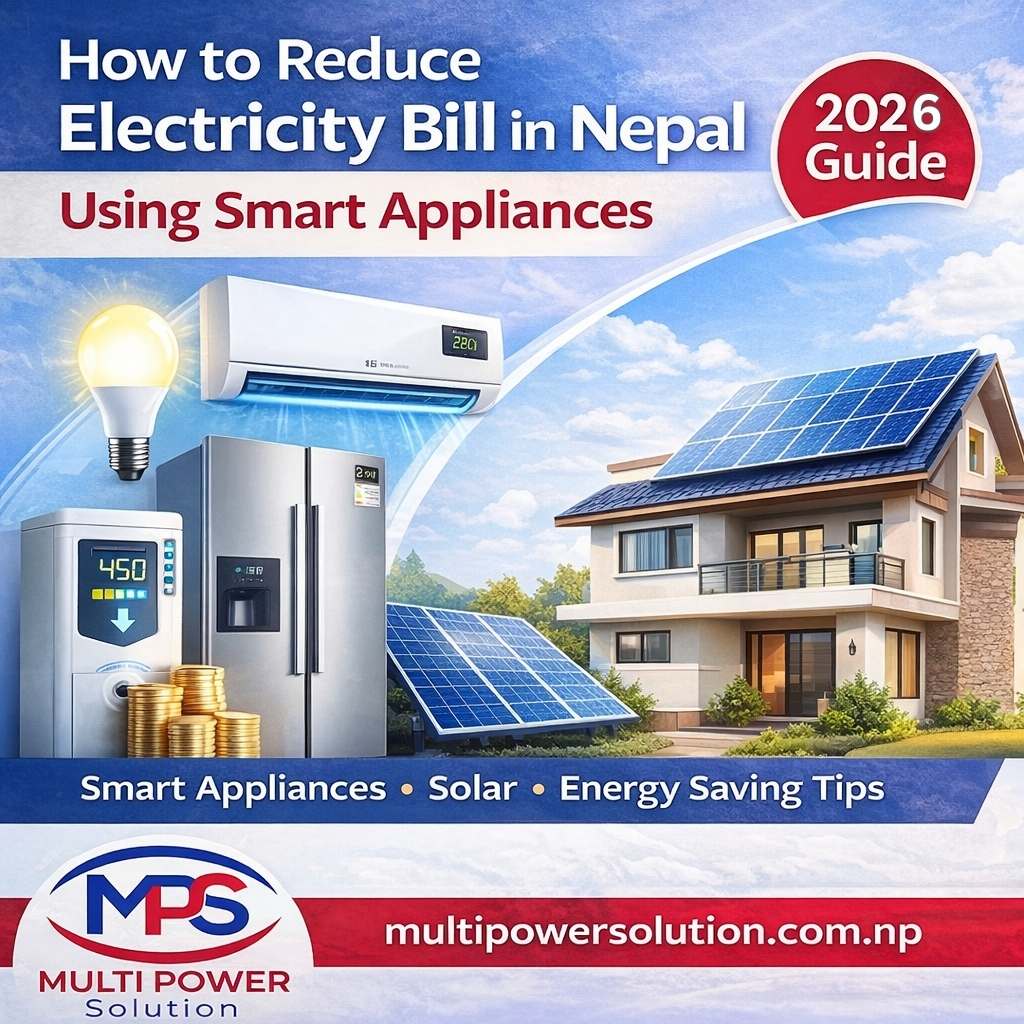
How to Reduce Electricity Bill in Nepal Using Smart Appliances (2026 Guide)

Rising electricity use, warming summers, and more modern appliances mean Nepali households are feeling the pinch at the monthly bill. The good news: smart appliances, good usage habits, and small investments can cut consumption substantially — often 20–40% — while improving comfort. This guide explains exactly how Nepali homeowners can lower their electricity bills using smart appliances and practical strategies.

Why this matters in Nepal

Nepal’s total electricity consumption has been rising as more households adopt modern appliances; the country recorded an all-time high in electricity sales and continuing growth in household usage. Average household consumption varies sharply: some low-use households consume under 10 kWh/month whereas others average over 100 kWh/month — urban areas like Kathmandu show much higher use. (CEIC Data)

Demand for cooling is one key driver: heatwaves and warmer summers have increased AC demand across Nepal, including in hill areas previously less likely to use AC. At the same time, the Nepal Electricity Authority (NEA) publishes tiered tariffs and minimum charges that make efficient use essential for savings. (Kathmandu Post)

How smart appliances save energy (the principle)

“Smart appliances” means two things in practice:

  1. Energy-efficient hardware — appliances built to use less electricity (inverter ACs, star-rated refrigerators, LED lighting, efficient pumps).
  2. Smart controls & behavior — devices with timers, thermostats, Wi-Fi controls, occupancy sensors, and energy-saving modes that run equipment only when needed.

Combining efficient hardware with intelligent control reduces wasted run-time, lowers peaks (which often cost more), and improves comfort — all of which translate directly into lower bills.

Top smart appliances and upgrades that give the best savings in Nepal

Below I list the appliance types that deliver the most savings in Nepal, why they work, and concrete tips on using them.

1. Inverter Air Conditioners (ACs) — biggest single impact for many homes

  • Why: Inverter ACs modulate compressor speed to match cooling need instead of cycling full on/off. That reduces electricity draw, especially for long daily runtime. In warmer parts of Nepal (Tarai, urban Kathmandu in summer), ACs are the largest household load. (Kathmandu Post)
  • Savings tip: Use a correctly sized inverter AC (not oversized), set thermostat to 24–25°C, clean filters monthly, and use ceiling fans to raise temperature setpoint. Combined, these cut AC energy use by 20–40% versus older non-inverter units.
  • Buy/Install note: Professional installation (correct piping, commissioning, and earthing) matters — poor install can erase efficiency gains.

2. LED Lighting + Smart Controls

  • Why: Replacing incandescent or CFL bulbs with LEDs reduces lighting energy by 70–90%. Smart switches and motion sensors stop lights when rooms are empty.
  • Savings tip: Prioritize living rooms, kitchens, and outdoor lights. Use motion sensors for corridors and bathrooms.

3. Star-rated Refrigerators and Freezers

  • Why: Refrigerators operate continuously; a modern high-star unit uses significantly less electricity than a decade-old model.
  • Savings tip: Choose right capacity for household size, place away from direct sun, avoid overpacking, and keep door seals intact.

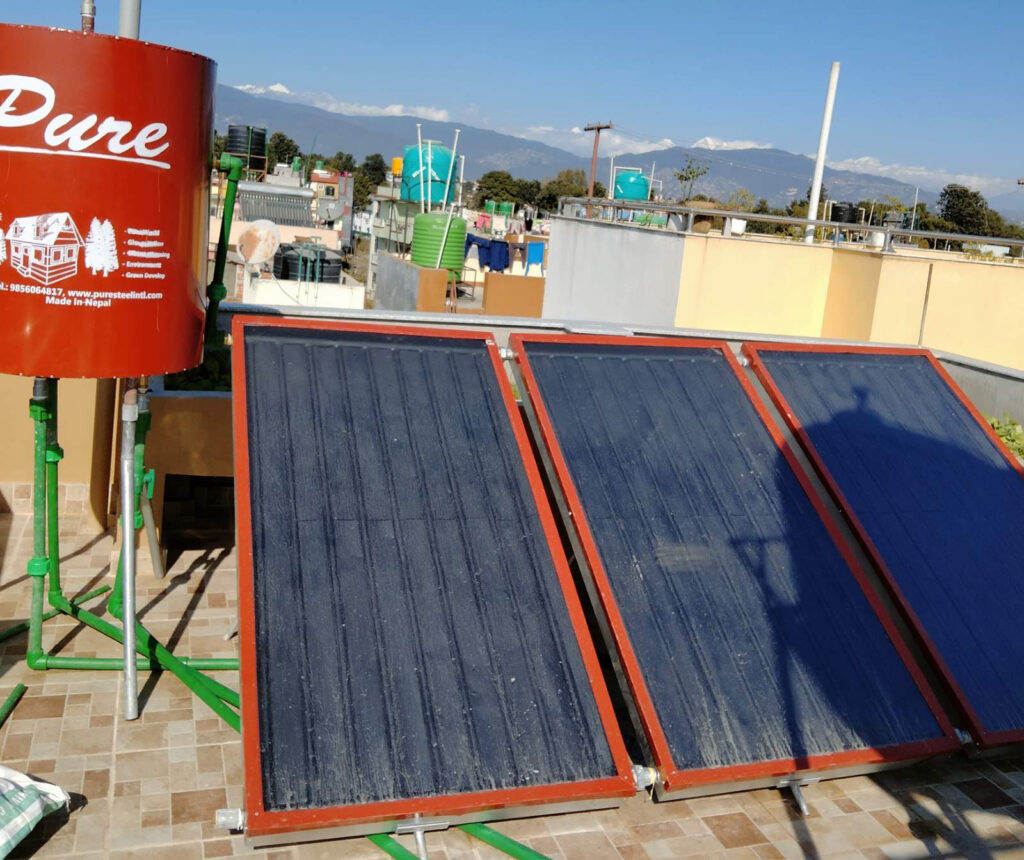
4. Solar-ready Appliances & Solar Water Heaters

  • Why: Solar water heaters remove the single biggest electric heating load (geysers). Rooftop PV plus grid export (net metering) also offsets daytime loads. Nepal’s solar resource and rising rooftop interest support adoption. (ResearchGate)
  • Savings tip: Install evacuated tube solar water heaters for consistent winter performance; pair rooftop PV with daytime loads like water pumping or washing machines.

5. Smart Plugs, Timers & Home Energy Management

  • Why: Many devices draw standby power. Smart plugs let you schedule or completely cut power to entertainment systems, chargers, and pumps. Combined with a basic home energy monitor, you can target the biggest energy draws.
  • Savings tip: Use timers for water heaters and washing machines to avoid running during peak tariff windows if you have time-sensitive pricing.

Practical roadmap: Lower your bill in 90 days

This is a simple step-by-step plan you can follow.

Week 1 — Audit (free or cheap):

  • Check last 3 months of electricity bills (kWh per month). Note peak months. NEA data shows household consumption varies widely — know where you stand. (Kathmandu Post)
  • Walk through home: list all big loads (ACs, fridge, water heater, pumps).

Week 2–3 — Low-cost fixes (Rs-level)

  • Replace incandescent bulbs with LEDs (most cost-effective).
  • Fit smart plugs on TVs, chargers, PC to cut standby loads.

Month 2 — Medium investments (thousands of NPR)

  • Clean and service ACs; install ceiling fans and set thermostats to 24–25°C.
  • Replace old fridge with a 3- or 5-star model if it’s over 10 years old.

Month 3 — Bigger investments & renewables

  • Consider inverter AC when replacing, and a solar water heater to eliminate electric geyser costs. Solar water heaters pay back in ~3–4 years in many Kathmandu cases. (CEIC Data)
  • Add basic rooftop PV if feasible (net metering policies expanding).

How much can you realistically save?

Estimates depend on starting consumption, but typical ranges:

  • LEDs & smart plugs: 5–10% savings
  • Efficient fridge replacement: 10–15% of household electricity
  • Switching to inverter AC + habits: 20–40% for households with heavy AC usage
  • Solar water heater: near-elimination of geyser electricity use → big savings (Rs. 20k–40k/year possible) in many homes. (ResearchGate)

Because tariffs and consumption patterns vary across Nepal, calculate expected savings using your current kWh/month × local NEA tariff rates for an accurate estimate. NEA publishes tariff slabs and categories for domestic consumers. (nepalenergyforum.com)

Smart behaviors that multiply appliance efficiency

  • Use time-of-use sensibly. If your area has higher daytime rates or if you use diesel backup, shift non-urgent loads to cheaper hours.
  • Avoid phantom loads. Unplug chargers and entertainment systems when not in use, or use smart strips.
  • Maintain appliances. Dirty AC filters and clogged fridge coils reduce efficiency. Annual servicing improves performance.
  • Use the right size appliance. Oversized ACs short-cycle; oversized pumps waste energy; too large refrigerators use more than needed.

What to look for when buying smart appliances in Nepal

When purchasing, consider:

  • Energy ratings (star labels) and real-world testing data.
  • Local service network: Availability of technicians and spare parts in Kathmandu Valley and regions. NEA and industry reports show increasing adoption — after-sales matters. (NEA)
  • Warranty & installation: Many manufacturers require professional installation to keep warranty valid.
  • Smart features: Timers, Wi-Fi control, and eco-modes are useful only if you plan to use them.

Barriers & solutions specific to Nepal

Barrier: Voltage fluctuations and unreliable power in some regions can harm electronics and reduce efficiency.
Solution: Use good stabilizers, choose rugged appliances designed for the region, and consider solar + battery solutions for sensitive loads.

Barrier: Upfront cost for efficient models and solar systems.
Solution: Prioritize measures with shortest payback (LEDs, fridge replacement, AC servicing), then invest savings into bigger upgrades.

Barrier: Limited consumer awareness.
Solution: Education (blogs, in-store demos) and local installers offering energy audits help adoption.

Case example (illustrative): Kathmandu family saves ~Rs. 18,000/year

A 4-member household in Kathmandu replaced 6 incandescent bulbs with LEDs, serviced their 1.5-ton AC and set it to 25°C, replaced an old fridge with a 3-star model, and installed a solar water heater for hot water. Their combined monthly electricity dropped from 320 kWh to ~240 kWh — roughly 25% savings, equating to about Rs. 18,000 per year on typical tariffs. (Example uses typical Kathmandu consumption patterns and device efficiencies; results vary.) (Kathmandu Post)

How Multi Power Solution / Local installers can help (practical next step)

If you prefer a done-for-you approach, reputable local providers offer:

  • Home energy audits (identify biggest waste)
  • Professional installation of inverter ACs, solar water heaters, efficient refrigerators, LED retrofits, and smart plugs
  • AMC (annual maintenance contracts) to keep systems efficient
    Choose providers with local references in Kathmandu, Bhaktapur, and Lalitpur and clear service guarantees.
FAQs

FAQs

Q1: Can smart appliances really reduce my electricity bill in Nepal?

Yes. Smart appliances (inverter ACs, efficient fridges, LEDs, solar water heaters) plus good usage habits can reduce household bills by 20–40% depending on your baseline consumption. (Kathmandu Post)

Q2: Is it worth replacing my old fridge or AC?

If your fridge or AC is over 8–10 years old, replacing with an energy-rated model typically pays back in 3–5 years through energy savings. (CEIC Data)

Q3: Do solar water heaters work in Kathmandu winter?

Yes — evacuated tube (vacuum) collectors perform well even in cooler months and are widely used in Kathmandu. They often eliminate electric geyser use in many homes. (ResearchGate)

Q4: Are inverter ACs better for Nepal’s electricity situation?

Yes. Inverter ACs are more energy efficient and adapt to varying loads, making them well suited to Nepal’s rising AC demand and variable power contexts. Proper installation is crucial. (Kathmandu Post)

Q5: How do I pick a reliable installer in Kathmandu?

Look for installers with local references, warranty on installation, trained technicians, and transparent audits. Ask for before/after usage estimates and service plans.

Quick checklist to start saving today

  • Replace 5–10 highest-use bulbs with LEDs
  • Clean AC filters monthly; service annually
  • Install smart plugs on standby devices
  • If replacing AC or fridge, choose inverter / high-star models
  • Consider a solar water heater to remove the geyser load
  • Get a home energy audit and a professional installer for big changes

Final word

Reducing electricity bills in Nepal is both practical and affordable when you combine smart appliance choices with better usage habits and selective investments in renewables like solar water heaters or rooftop PV. Start small, measure results, and reinvest savings into the next round of upgrades — that’s how many Nepali households create a virtuous cycle of comfort and savings.

Beko washing machine Nepal

Beko Appliances Nepal – Why European Appliances Are Popular

The Nepali home appliance market is rapidly evolving. Where affordability once dominated purchasing decisions, today’s consumers are prioritizing energy efficiency, durability, modern design, and long-term value. As a result, European appliance brands like Beko are gaining strong popularity across Nepal.

From washing machines and refrigerators to kitchen appliances, Beko appliances in Nepal are increasingly seen as a smart balance between premium European quality and practical pricing — especially for urban households.

This article explains why European appliances are popular in Nepal, what makes Beko stand out, and why more Nepali families are choosing European technology for their homes.

Changing Appliance Buying Behavior in Nepal

In the past, Nepali consumers focused mainly on:

  • Low upfront cost
  • Basic functionality
  • Short-term use

Today, the mindset has changed due to:

  • Rising electricity costs
  • Increased appliance usage
  • Smaller urban homes
  • Greater awareness of energy efficiency
  • Demand for modern lifestyles

Homeowners now look for:
✅ Energy-saving appliances
✅ Long lifespan and reliability
✅ Quiet operation
✅ Modern design
✅ Brand trust and service support

This shift has opened the door for European appliance brands.

Why European Appliances Are Trusted Worldwide

European appliance manufacturers follow strict quality, safety, and energy standards. These standards directly benefit consumers.

Key European Appliance Advantages

  • High energy efficiency ratings
  • Advanced inverter technology
  • Strong safety regulations
  • Long product life cycle
  • Eco-friendly manufacturing

European appliances are designed for daily, heavy usage, which suits modern Nepali households well.

Introducing Beko – A European Appliance Leader

Beko is a globally recognized European home appliance brand, trusted in over 140+ countries. Known for innovation, sustainability, and reliability, Beko has become one of the fastest-growing appliance brands worldwide.

In Nepal, Beko is gaining popularity because it offers:

  • European technology at competitive prices
  • Energy-efficient appliances suitable for Nepal’s power conditions
  • Stylish designs that match modern kitchens

Why Beko Appliances Are Popular in Nepal

1. Energy Efficiency (Major Reason)

Electricity cost is a growing concern in Nepal. Beko appliances are designed with energy-saving technologies that significantly reduce power consumption.

Examples:

  • Inverter washing machines
  • Energy-efficient refrigerators
  • Low-power consumption dishwashers

This makes Beko ideal for homes using:

  • Inverters
  • Solar systems
  • Limited power supply

2. Built for Daily, Heavy Usage

European households typically use appliances more frequently, and Beko designs its products accordingly.

For Nepali homes, this means:

  • Washing machines that handle daily loads
  • Refrigerators that maintain stable cooling
  • Durable motors and components

Beko appliances are designed for long-term performance, not short-term use.

3. Quiet & Comfortable Operation

Noise is a major issue in apartments and closely built homes.

Beko appliances are known for:

  • Low vibration washing machines
  • Quiet refrigerator compressors
  • Smooth motor operation

This makes them ideal for:

  • Apartments
  • Office kitchens
  • Night-time usage

4. Smart & Modern Design

Modern Nepali homes are becoming more design-focused.

Beko appliances offer:

  • Clean European aesthetics
  • Compact and space-efficient designs
  • Modern control panels
  • Premium finish without luxury pricing

This appeals strongly to young homeowners and newly built houses.

5. Eco-Friendly Technology

Sustainability is becoming an important buying factor.

Beko focuses on:

  • Water-saving washing cycles
  • Reduced plastic usage
  • Lower carbon footprint manufacturing
  • Longer product lifespan (less waste)

For environmentally conscious Nepali consumers, this adds strong value.

Popular Beko Appliances in Nepal

1. Beko Washing Machines

Why Popular:

  • Inverter motor technology
  • Low water and electricity usage
  • Suitable for daily washing
  • Gentle on clothes

Best for: Families, apartments, energy-conscious users

2. Beko Refrigerators

Key Benefits:

  • Stable cooling even during voltage fluctuation
  • Energy-efficient compressors
  • Better food freshness
  • Modern storage layout

Best for: Urban households, inverter-supported homes

3. Beko Kitchen Appliances

Including:

  • Built-in ovens
  • Hobs
  • Dishwashers

These are becoming popular among:

  • Modular kitchen users
  • Modern apartments
  • Premium home setups

European Appliances vs Conventional Appliances

FeatureEuropean (Beko)Conventional Brands
Energy efficiencyHighMedium
Noise levelLowMedium–High
DurabilityLong-termAverage
DesignModernBasic
Long-term costLowerHigher
Eco-friendlyYesLimited

While initial cost may be slightly higher, long-term savings and comfort are significantly better with European appliances.

Are Beko Appliances Suitable for Nepal’s Power Conditions?

✅ Yes, because:

  • Designed to handle voltage fluctuation
  • Inverter-friendly operation
  • Energy-efficient motors
  • Stable performance with backup power

This makes Beko appliances suitable for Kathmandu Valley and other urban areas.

Cost vs Value: Is Beko Worth It?

Although Beko appliances may cost slightly more than entry-level brands, they offer:

✔ Lower electricity bills
✔ Fewer repairs
✔ Longer lifespan
✔ Better performance
✔ Modern living experience

Over 8–10 years, the total cost of ownership is often lower.

Expert Insight

From a home-solution and appliance-installation perspective, European appliances like Beko deliver better reliability, safety, and efficiency for Nepali households.

When installed correctly and used with proper power protection, these appliances perform consistently even in challenging local conditions.

Choosing a trusted supplier and after-sales support is crucial for maximizing benefits.

FAQs

FAQs – Beko Appliances in Nepal

Q1. Are Beko appliances expensive in Nepal?

They are mid-range priced but offer premium value.

Q2. Do Beko appliances work with inverter or solar?

Yes, they are highly inverter-friendly.

Q3. Is after-sales service available in Nepal?

Yes, through authorized distributors and service partners.

Q4. Are European appliances better than Asian brands?

In terms of efficiency, durability, and long-term cost, European appliances often perform better.

Why Buy Beko Appliances from Multi Power Solution?

Multi Power Solution offers:

  • Genuine Beko appliances
  • Professional consultation
  • Installation support
  • Power-condition guidance
  • Reliable after-sales assistance

👉 Upgrade your home with trusted European appliance technology.

Home decor and interior in Nepal

Why Professional Installation Matters for Home Appliances in Nepal (2026 Guide)

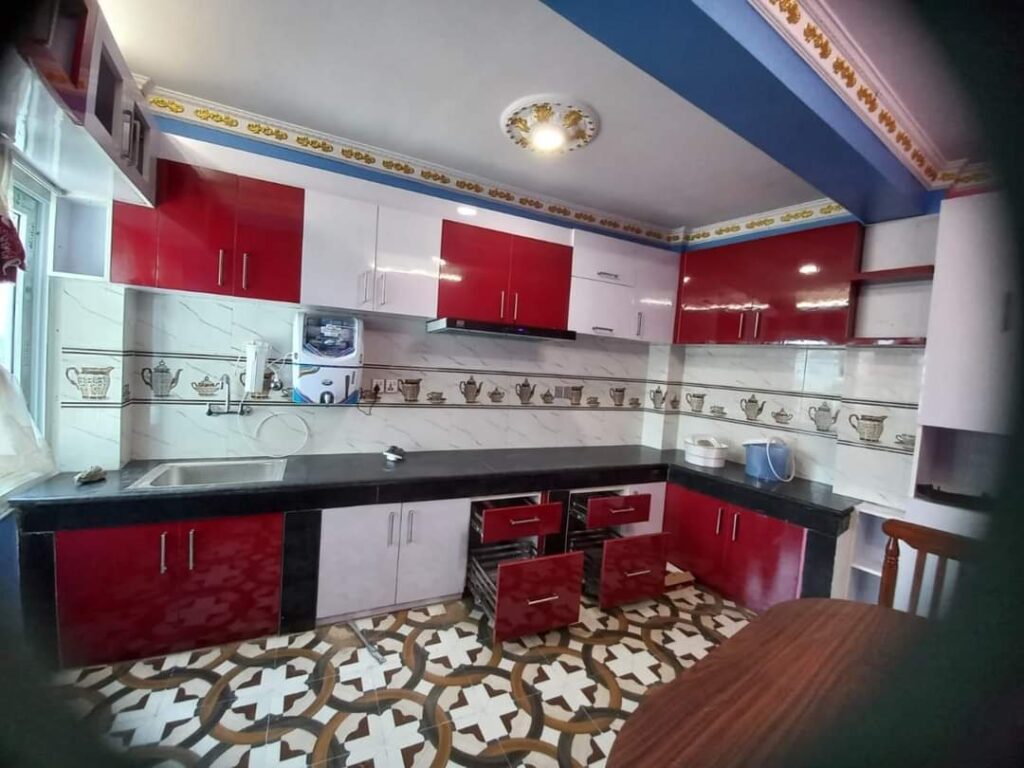
In today’s Nepal, home appliances such as Air Conditioners (AC), Solar Water Heaters, RO Water Purifiers, Kitchen Chimneys, Modular Kitchens, Hobs, and Washing Machines have become an essential part of daily life. As households modernize and energy-efficient appliances gain popularity, one critical factor is often overlooked:

👉 Professional installation

Many Nepali consumers try to save money by opting for DIY installation or untrained local technicians. However, statistics and real-world experience show that improper installation leads to higher electricity bills, reduced appliance lifespan, safety hazards, and warranty loss.

This article explains why professional installation matters for home appliances in Nepal, backed by industry data, safety insights, and Nepal-specific conditions.

📊 Appliance Installation Trend in Nepal

According to energy and appliance service data trends in South Asia (including Nepal):

  • Over 35–40% of appliance failures occur due to improper installation or poor maintenance
  • Incorrect AC installation can increase electricity consumption by up to 20–30%
  • Nearly 1 in 3 warranty claims are rejected due to non-professional installation
  • Demand for certified installation services in Kathmandu Valley has increased steadily due to high-value appliances like inverter ACs, RO systems, and solar heaters

With rising electricity costs and appliance prices in Nepal, correct installation is no longer optional—it is essential.

🔧 What Is Professional Home Appliance Installation?

Professional installation means:

  • Installation by trained and experienced technicians
  • Use of correct tools, wiring, fittings, and safety measures
  • Compliance with manufacturer guidelines and warranty requirements
  • Proper testing, calibration, and demonstration after installation

Professional installers understand Nepal’s electrical conditions, water quality, voltage fluctuations, and structural challenges, which DIY methods ignore.

⚠️ Safety First: Preventing Hazards in Nepali Homes

Improper appliance installation can cause serious risks:

🚨 Common Safety Issues in Nepal

  • Electrical short circuits
  • Fire hazards due to loose wiring
  • Gas leakage from kitchen hobs
  • Water leakage damaging walls and floors
  • Carbon monoxide risks from poor ventilation
  • Structural damage from improper mounting

✅ How Professionals Reduce Risk

  • Correct electrical earthing
  • Secure wall mounting
  • Proper gas and water connections
  • Load testing and safety checks

👉 Professional installation protects your family, property, and investment.

🛡️ Protecting Warranty & Manufacturer Support

Most appliance brands clearly mention:

“Warranty is valid only if installation is done by authorized or professional technicians.”

Appliances Where Warranty Depends on Installation:

  • Inverter & Split ACs
  • Solar Water Heaters
  • RO Water Purifiers
  • Kitchen Chimneys
  • Built-in Hobs & Modular Kitchen Appliances

❌ DIY installation or local untrained work often results in voided warranty, leaving customers to bear expensive repair costs.

⚙️ How Professional Installation Improves Appliance Performance

Correct installation ensures:

  • Maximum energy efficiency
  • Proper airflow (for AC & chimney)
  • Correct water pressure (for RO & solar)
  • Optimal temperature control
  • Reduced noise & vibration

Example:

A poorly installed AC:

  • Consumes more electricity
  • Cools unevenly
  • Breaks down faster

A professionally installed AC:

  • Saves power
  • Cools faster
  • Lasts longer

💰 Cost vs Value: Professional Installation Saves Money

Many people avoid professional installation thinking it is expensive. In reality:

AspectDIY / UntrainedProfessional
Initial CostLowModerate
Electricity BillsHigherLower
Repair FrequencyHighLow
Appliance LifespanShorterLonger
Safety RiskHighMinimal
WarrantyOften voidProtected

👉 Professional installation is a long-term investment, not an expense.

🧰 Tools, Training & Expertise Matter

Professional technicians use:

  • Voltage testers
  • Pressure gauges
  • Calibration tools
  • Safety equipment
  • Manufacturer-approved accessories

They also receive product-specific training, which is essential for modern appliances like inverter ACs, RO systems with hot/cold features, and solar heating systems.

🏠 Appliances That Require Professional Installation in Nepal

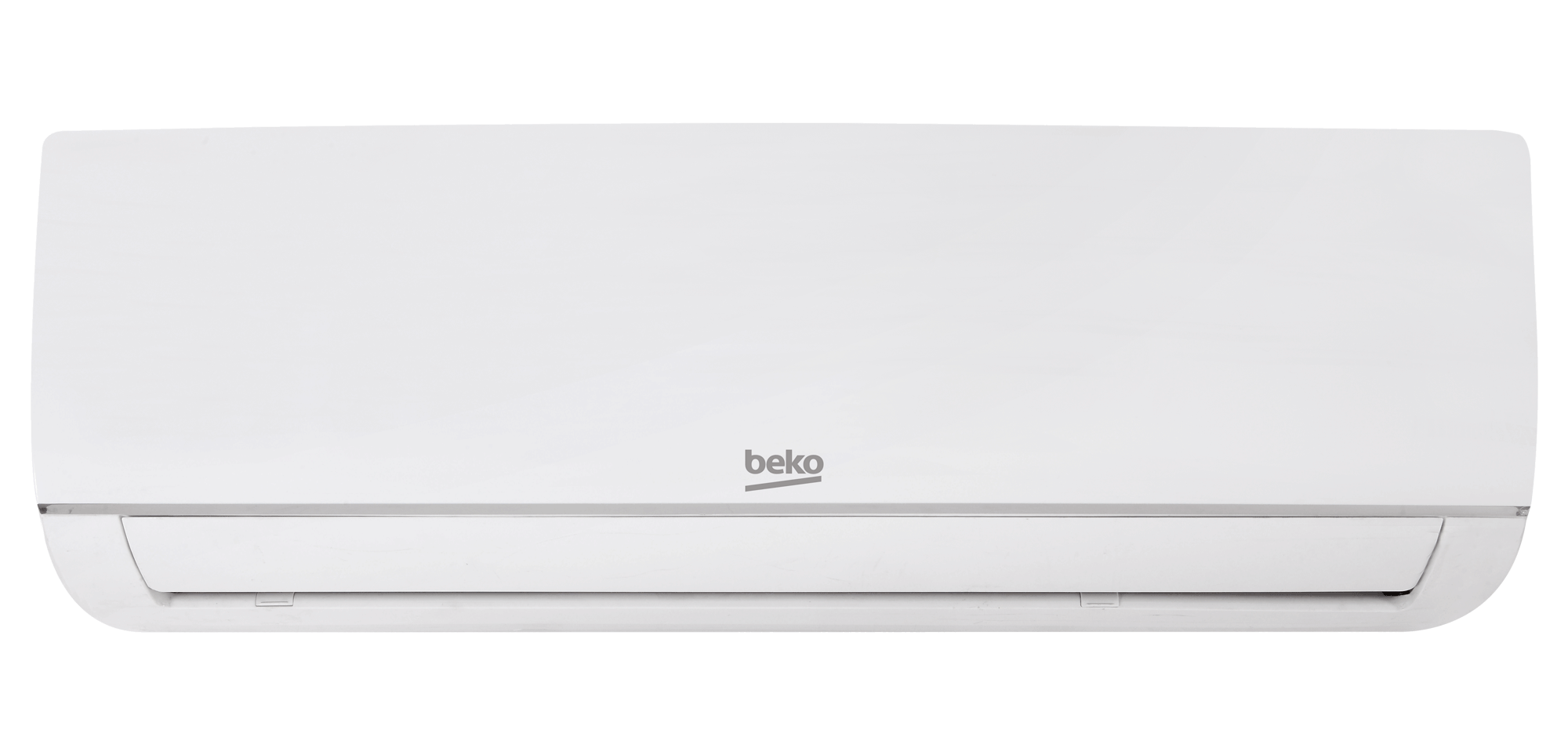
❄️ Air Conditioners (AC)

  • Proper gas pressure
  • Correct piping length
  • Secure outdoor unit mounting
  • Electrical safety

☀️ Solar Water Heaters

  • Correct panel angle
  • Roof safety
  • Water pressure balancing
  • Leak-free plumbing

💧 RO Water Purifiers

  • TDS calibration
  • Correct inlet/outlet pressure
  • Electrical + water safety

🍳 Kitchen Chimney & Hob

  • Correct suction alignment
  • Proper ventilation duct
  • Gas safety compliance

🏗️ Modular Kitchen Appliances

  • Precision installation
  • Structural stability
  • Electrical and plumbing coordination

⚠️ DIY Installation Risks in Nepal

DIY installation may seem easy from online videos, but Nepal’s conditions are different:

  • Voltage fluctuation
  • Dust & pollution
  • Water quality variation
  • Older building wiring
  • Lack of proper tools

👉 DIY may be acceptable only for very small plug-and-play appliances, not major home systems.

🧑‍🔧 How to Choose a Professional Installer in Nepal

✔ Experience with similar appliances
✔ Knowledge of local conditions
✔ Use of genuine accessories
✔ Clear installation checklist
✔ Post-installation testing
✔ After-sales support availability

Choosing a trusted company ensures peace of mind.

FAQs

❓ Frequently Asked Questions (FAQs)

Why should I hire professional installation for home appliances?

For safety, warranty protection, better performance, and long-term cost savings.

Does professional installation really save electricity?

Yes. Correct installation improves efficiency and reduces power consumption by up to 30% in some appliances.

Is professional installation required for warranty?

In most cases, yes—especially for ACs, solar heaters, and RO systems.

Is DIY installation safe in Nepal?

Not recommended for major appliances due to safety and performance risks.

How do I find professional appliance installation in Kathmandu?

Choose a trusted home appliance solution provider with trained technicians.

🏆 Why This Article Is Trustworthy

This guide is based on:

  • Appliance safety standards
  • Industry installation data
  • Nepal-specific electrical & water conditions
  • Practical experience in home appliance installation

It is written to educate homeowners, not promote shortcuts.

✅ Final Verdict: Professional Installation Is Essential in Nepal

In Nepal’s environment, professional installation is not a luxury—it is a necessity.

✔ Ensures safety
✔ Protects warranty
✔ Improves efficiency
✔ Reduces future repair costs
✔ Extends appliance lifespan

Whether you are installing AC, Solar Water Heater, RO Filter, Kitchen Chimney, or Modular Kitchen, always choose professional installation.

🔗 Professional Installation Services in Nepal

If you are looking for reliable, professional installation of home appliances,
Multi Power Solution provides expert installation and after-sales support for:

📍 Serving Kathmandu, Bhaktapur, Lalitpur & across Nepal

Beko Appliances Nepal

Beko Appliances Nepal – Best Price, Features & Complete Buying Guide (2026)

Find the best Beko refrigerators, washing machines, dishwashers, ovens and more – available at Multipower Solution Nepal.

📌 Introduction: Why Beko Appliances Are Popular in Nepal?

If you are searching for Beko Appliances in Nepal, you are likely looking for reliable, energy-efficient and long-lasting home appliances. Beko is a global European brand trusted in over 140 countries, known for its advanced technologies, durability and eco-friendly performance.

In major Nepali cities like Kathmandu, Bhaktapur, Lalitpur, Pokhara and Dharan, Beko has become a top choice for modern homes — especially for refrigerators, washing machines, ovens, small home appliances, dishwashers and kitchen essentials.

Multipower Solution brings you the latest Beko appliances at the best prices in Nepal, with fast delivery and installation support.

🛒 Beko Appliances Available in Nepal Under Multipower Solution

Below is a product-wise breakdown (aligned with your website product categories):

1️⃣ Beko Refrigerators Nepal

Popular Models:

  • Double Door Refrigerators
  • Single Door Refrigerators
  • Frost-Free Refrigerators
  • Inverter Refrigerators

Why Choose Beko Fridges?

  • NeoFrost™ Dual Cooling
  • Energy-efficient inverter compressor
  • Longer freshness for fruits & vegetables
  • Low noise operation

Recommended For: Homes in Kathmandu, Bhaktapur, Lalitpur needing long-lasting, power-saving refrigerators.

2️⃣ Beko Washing Machines Nepal

Available Types:

  • Fully Automatic Front Load
  • Fully Automatic Top Load

Key Features:

  • AquaTech™ fast washing
  • ProSmart™ Inverter Motor
  • SteamCure™ for deep cleaning
  • Low water usage (perfect for Nepali homes)

Ideal For: Families looking for powerful stain removal and higher durability.

3️⃣ Beko Dishwashers Nepal

Dishwasher demand is rising in Kathmandu & Lalitpur, especially in modern modular kitchens.

Reasons Nepali Families Prefer Beko Dishwashers:

  • AquaIntense™ cleaning technology
  • Half-load cleaning option
  • Quiet operation
  • Stainless steel interiors

Perfect for busy families and those upgrading to modern kitchen systems.

4️⃣ Beko Ovens & Microwave Ovens Nepal

Whether you’re baking, reheating or grilling, Beko ovens are powerful and easy to use.

Top Features:

  • Multi-functional cooking modes
  • Even heat distribution
  • Low energy consumption
  • Easy-clean interior

Great for modular kitchens and modern home renovations.

5️⃣ Beko Kitchen Appliances & Small Home Appliances

Including:

  • Electric kettles
  • Induction stoves
  • Toasters
  • Hand blenders
  • Air fryers
  • Coffee makers

🌟 Why Buy Beko Appliances from Multipower Solution Nepal?

✔ 100% Authentic Beko Products

We only sell original Beko appliances imported through authorized channels.

✔ Best Price in Nepal

Our pricing is competitive and updated as per the Nepali market.

✔ Home Delivery in Kathmandu Valley

We deliver across Kathmandu, Bhaktapur & Lalitpur.

✔ Professional Installation & Support

Our technicians handle setup, installation, and appliance orientation.

✔ Warranty Support for All Products

Manufacturer warranty included on all Beko appliances.

💰 Beko Appliances Price in Nepal (2026 Updated)

(Price range varies depending on model; update as needed on your website.)

Beko Appliance TypePrice Range in Nepal
Beko RefrigeratorNPR 35,000 – 120,000
Beko Washing MachineNPR 48,000 – 110,000
Beko DishwasherNPR 55,000 – 120,000
Beko Oven / MicrowaveNPR 12,000 – 45,000
Beko Small AppliancesNPR 1,500 – 15,000

🧭 How to Choose the Best Beko Appliance in Nepal

1. Consider Your Home Size

Small kitchens → choose compact appliances
Large kitchens → upgrade to premium Beko models

2. Check Energy Consumption

Beko’s inverter models save electricity — ideal for Nepal.

3. Compare Features Based on Your Needs

Steam wash, quick cooling, anti-bacterial technology, etc.

4. Warranty & Service Availability

Multipower provides full support for installation & maintenance.

FAQs

Frequently Asked Questions (FAQ)

1. Who is the official distributor of Beko appliances in Nepal?

Multipower Solution supplies original Beko appliances with full warranty.

2. What is the price of Beko refrigerators in Nepal?

Prices start around NPR 35,000 depending on model and size.

3. Is Beko a good brand for washing machines?

Yes, Beko is known for high-efficiency inverter motors and long-lasting durability.

4. Do you provide installation services?

Yes, full installation support is available within Kathmandu Valley.

5. How can I buy Beko appliances online in Nepal?

Visit:
👉 https://multipowersolution.com.np/brand/beko/

Shopping Cart

No products in the cart.