Sustainable Quality Solutions for a Modern Home
0

Category: Water Treatment

  • Home
  • Category: Water Treatment

Common RO Filter Problems & Solutions in Nepal – Slow Flow, Bad Taste, Leakage & More (2026 Guide)

Clean and safe drinking water is a priority for every Nepali household. With increasing concerns over water quality in Kathmandu Valley, Lalitpur, Bhaktapur, Pokhara and major cities, RO Water Purifiers have become essential for homes, offices, schools, restaurants, and hospitals.
However, like any appliance, RO systems also develop issues over time — especially due to Nepal’s varying water quality, sediment, iron, and TDS levels.

This article explains the most common RO Filter problems in Nepal and practical solutions, helping you understand when to troubleshoot and when to call professional service support.

💧 Why RO Water Purifiers Are Increasing in Nepal

Nepal’s water sources vary from:

  • Tap water supply
  • Borewell / groundwater
  • Tanker water
  • Filtered municipal supply

While many households believe boiling water solves problems, it doesn’t remove:

  • dissolved salts
  • heavy metals
  • chemical contaminants
  • high TDS
  • hardness

That’s where RO (Reverse Osmosis) systems help. They:

  • reduce TDS
  • improve taste
  • remove harmful impurities
  • make water safe for long-term health

However, due to high sediment, iron particles, and frequent power fluctuations in Nepal, RO filters may face problems if not serviced regularly.

⚠️ Common RO Filter Problems in Nepal & Their Solutions

1️⃣ RO Purifier Not Dispensing Water / No Water Flow

✔ Possible Causes

  • Clogged pre-filter or sediment filter
  • Blocked RO membrane
  • Choked pipelines or valves
  • Low incoming water pressure
  • Tank is full or pressure switch failure

✔ Solution

  • Replace pre-filter if clogged
  • Check water pressure
  • Replace RO membrane if needed
  • Reset or service water pressure valve

👉 If unsure, call a professional RO technician.

2️⃣ RO Water Flow is Very Slow / Tank Filling Very Late

A very common complaint in Kathmandu Valley and urban homes.

✔ Causes

  • Sediment choke due to dusty tank / pipeline water
  • RO membrane exhausted
  • Low water pressure
  • Faulty booster pump

✔ Solution

  • Service filters every 6–12 months
  • Replace membrane every 2–3 years (depending on usage & water quality)
  • Install booster pump if needed

3️⃣ RO Water Has Bad Taste or Smell

If your water tastes salty, metallic, bitter or smells unusual…

✔ Causes

  • Carbon filter expired
  • Bacteria buildup due to lack of service
  • TDS imbalance
  • Wrong/duplicate filters installed

✔ Solution

  • Replace post-carbon filter
  • Sanitize storage tank
  • Monitor TDS regularly
  • Always use genuine replacement filters

4️⃣ Water Leakage From RO Filter

One of the most reported problems in Nepal.

✔ Causes

  • Loose pipe connections
  • Cracked filter housing
  • Damaged O-rings
  • Poor installation

✔ Solution

  • Tighten pipe and fitting
  • Replace O-rings
  • Repair or replace cracked housing
  • Always use professional installation services

5️⃣ RO Purifier Making Noise While Running

This mostly happens in older or poorly maintained systems.

✔ Causes

  • Booster pump problem
  • Air trapped in the system
  • Vibrating pipes
  • Loose fittings

✔ Solution

  • Check pump
  • Release trapped air
  • Secure pipes properly

6️⃣ RO Machine Not Turning On / No Power

This is rare but happens due to Nepal’s power fluctuation.

✔ Causes

  • Power adapter failure
  • Faulty wiring
  • Switch failure

✔ Solution

  • Check adapter
  • Replace wiring
  • Get professional inspection

7️⃣ RO Purifier Running Continuously / Continuous Water Drain

This wastes water and increases operational cost.

✔ Causes

  • Malfunctioning auto-cut
  • SV valve issue
  • Faulty float valve

✔ Solution

  • Repair electrical components
  • Replace faulty valves

8️⃣ High TDS in RO Output

If your RO is installed but water still seems salty…

✔ Causes

  • RO membrane failure
  • Wrong setup
  • Expired filters

✔ Solution

  • Test TDS
  • Replace membrane
  • Get system checked by an expert

💡 Why RO Problems Are Common in Nepal

Nepal’s water contains:

  • high sediment
  • iron content in groundwater
  • contamination in tanker water
  • aging pipes causing rust

Because of this, filters clog faster, making regular service essential.

🧰 How to Prevent RO Filter Problems – Maintenance Tips for Nepal

✔ Change pre-filter every 6–12 months
✔ Service your RO system at least once a year
✔ Replace RO membrane every 2–3 years
✔ Avoid duplicate / cheap filters
✔ Flush system periodically
✔ Get installation done by experts

🧾 When Should You Replace vs Repair Your RO Filter?

Replace when:

  • Repair cost is too high
  • Water quality remains bad even after servicing
  • Unit is 6–8+ years old

Repair when:

  • Minor leakage
  • Slow flow issues
  • Power-related fixes required
FAQs

FAQs – RO Filter Problems & Solutions in Nepal

✔ How often should I service my RO filter in Nepal?

At least once per year; more frequently if water quality is poor.

✔ How often should RO filters be replaced?

Pre-filter: 6–12 months
Membrane: 2–3 years
Carbon filter: 1 year

✔ Why does RO water taste bad?

Expired carbon filter, membrane damage, or bacterial buildup.

✔ Does RO remove all contamination in Nepal?

Yes, if well maintained. Always ensure proper servicing.

✔ Where can I get RO service in Kathmandu, Bhaktapur, Lalitpur?

You can contact a trusted RO service provider like Multi Power Solution.

🏆 Why This Guide is Trustworthy

This article is prepared considering:

  • Real Nepali water quality conditions
  • Practical servicing experience
  • Industry best practices
  • User-focused guidance

We prioritize accuracy, safety, and reliable water purification information for Nepal.

✅ Final Verdict

RO Water Purifiers are an excellent solution for safe drinking water in Nepal — but they need proper maintenance. Understanding problems early helps avoid major repair costs and ensures safe water for your family.

If your RO purifier is showing any of these problems, don’t ignore them.

🔗 RO Filter Service & Installation Support in Nepal

If you need:
✔ RO filter repair
✔ RO servicing
✔ RO membrane replacement
✔ New RO filter installation

📞 Contact Multi Power Solution

Serving: Kathmandu • Bhaktapur • Lalitpur • Surrounding Regions
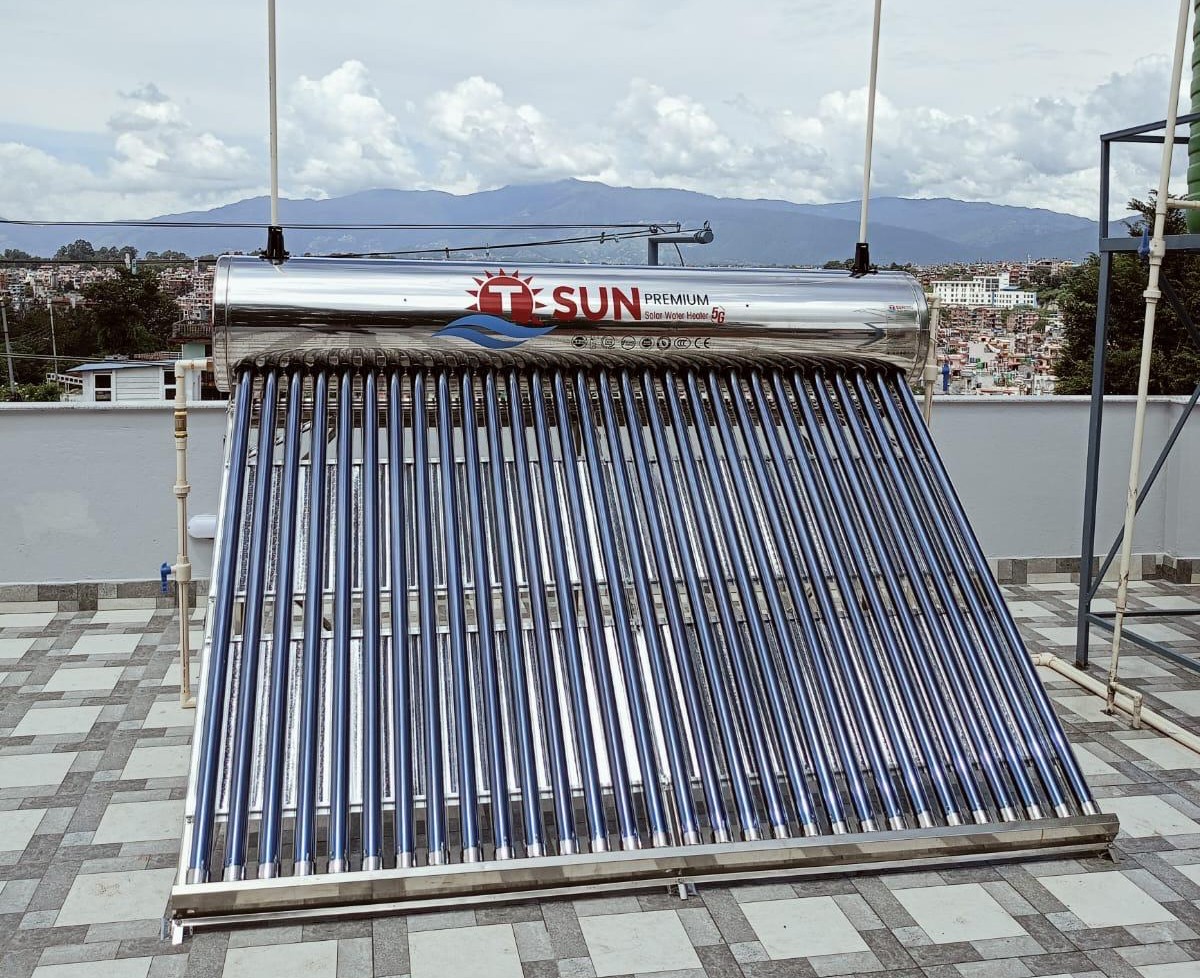
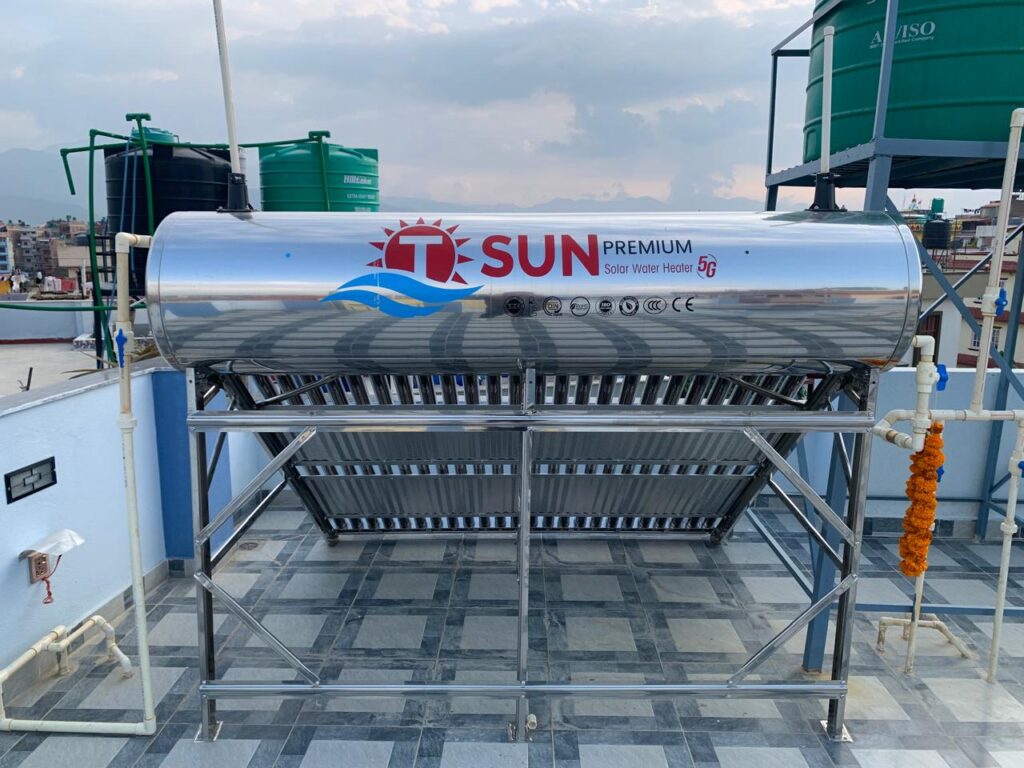
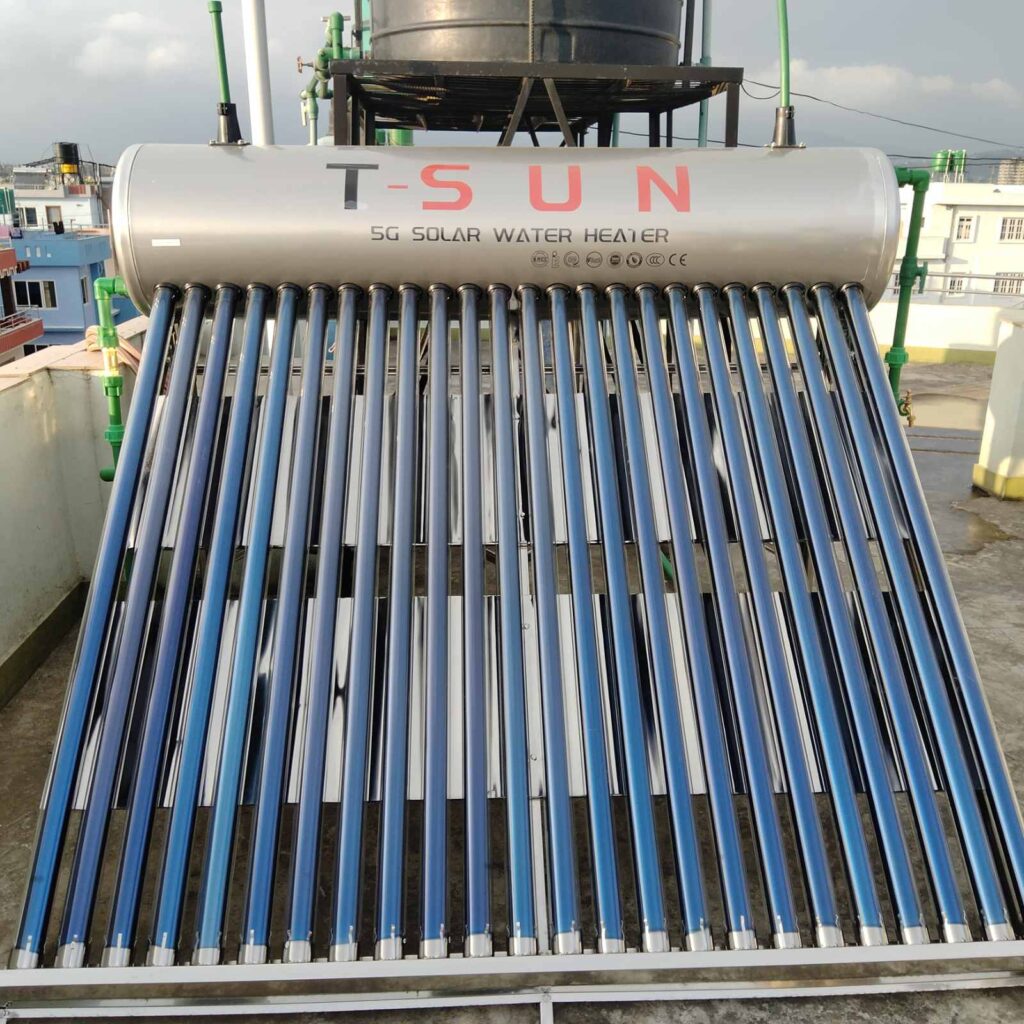
T-SUN solar water heater installed on rooftop in Nepal

T-SUN Solar Water Heater Price in Nepal 2026: Models, Warranty, Cost Saving & Complete Buying Guide

Hot water is no longer a luxury in Nepal—it is a daily necessity. From cold winters in Kathmandu Valley to early-morning routines in urban apartments and rural homes, demand for reliable hot water is increasing rapidly. As electricity tariffs rise and electric geysers become expensive to operate, many households are turning to a smarter, long-term solution: solar water heaters.

Among the available brands, T-SUN Solar Water Heater in Nepal has gained strong popularity due to its durability, winter performance, and long warranty. But a common question remains:

👉 Is T-SUN solar water heater worth it in Nepal?

This detailed guide answers that question by covering price, models, features, performance in Nepali climate, real cost savings, and buying tips, helping you make an informed decision in 2026.

☀️ Why Solar Water Heaters Are Growing Fast in Nepal

Nepal is naturally suited for solar energy, even during winter. With 300+ sunny days per year and strong solar radiation due to altitude, solar water heating works efficiently across most regions.

Main reasons for rising demand:

  • Rising electricity costs and load pressure
  • Cold winters in Kathmandu, Bhaktapur & Lalitpur
  • High power consumption of electric geysers
  • Long-term cost savings with solar technology
  • Environmental awareness and renewable energy adoption

As a result, searches like “solar water heater price in Nepal” and “best solar water heater in Nepal” are increasing every year.

🏭 About T-SUN Solar Water Heater Brand

T-SUN is a well-established solar water heater brand with 15+ years of experience, widely used in residential and commercial buildings across Nepal.

Why T-SUN is trusted:

  • Proven vacuum tube technology
  • Strong performance in winter and cloudy days
  • Long warranty and product lifespan
  • Widely available spare parts
  • Trusted local dealer network

In Nepal, Multi Power Solution (Bhaktapur) is an authorized country dealer, providing installation, service, and after-sales support.

💰 T-SUN Solar Water Heater Price in Nepal (2026 Updated)

Based on official pricing and market availability, here are the popular T-SUN Premium 5G models in Nepal:

ModelCapacityPrice (NPR)
T-SUN Premium 15 XL~150 LitersRs. 60,000
T-SUN Premium 20 XL~200 LitersRs. 80,000
T-SUN Premium 24 XL~240 LitersRs. 96,000
T-SUN Premium 30 XL~300 LitersRs. 1,20,000

Prices may vary slightly depending on location, installation complexity, and stand structure.

🔧 Key Features of T-SUN Solar Water Heater

1️⃣ Advanced Vacuum Tube Technology

T-SUN uses high-quality vacuum tubes that:

  • Absorb heat efficiently
  • Work even in winter and cloudy weather
  • Retain heat for long hours

2️⃣ Long Warranty & Durability

  • 10 years product guarantee
  • Up to 35 years warranty on tubes
    This makes T-SUN one of the longest-lasting solar water heater options in Nepal.

3️⃣ Strong Winter Performance

Unlike flat-plate systems, vacuum tube heaters perform well during:

  • Kathmandu Valley winters
  • Cold mornings
  • Low sunlight conditions

4️⃣ Zero Electricity Consumption

Once installed, hot water is produced without electricity, drastically reducing monthly power bills.

🏠 Which T-SUN Model Is Right for Your Home?

Family SizeRecommended Model
2–3 people150 Liter (15 XL)
4–5 people200 Liter (20 XL)
5–6 people240 Liter (24 XL)
6+ people / Commercial300 Liter (30 XL)

Choosing the right size ensures optimal hot water availability and better system efficiency.

📉 Cost Saving & Payback Calculation (Nepal Context)

Let’s compare solar water heater vs electric geyser.

Electric Geyser Cost Example:

  • Power: 2,000 watts
  • Daily usage: 2 hours
  • Monthly units: ~120 units
  • Monthly cost (avg NPR 10/unit): Rs. 1,200
  • Yearly cost: Rs. 14,400

Solar Water Heater:

  • Electricity cost: Rs. 0
  • Maintenance: minimal

Payback Period:

A Rs. 80,000 T-SUN 200L system recovers cost in:
👉 2.5–3 years

After that, hot water is almost free for 15–20+ years.

⚖️ Solar Water Heater vs Electric Geyser

FeatureSolar Water HeaterElectric Geyser
Electricity CostZeroHigh
Monthly ExpenseNoneContinuous
Winter PerformanceGood (vacuum tubes)Good
Lifespan20–30+ years5–8 years
Environmental ImpactEco-friendlyHigh carbon footprint

Conclusion: Solar water heaters are far more economical and sustainable in Nepal.

🛠 Installation & Maintenance in Nepal

Installation:

  • Rooftop installation (flat or sloped)
  • Takes 3–5 hours
  • Works with overhead or gravity water tanks

Maintenance:

  • Occasional cleaning
  • Rare tube replacement (after many years)
  • Very low maintenance cost
❓ FAQs

Frequently Asked Questions (FAQs)

What is the price of T-SUN solar water heater in Nepal?

Prices range from Rs. 60,000 to Rs. 1,20,000 depending on capacity.

Is T-SUN solar water heater good for winter?

Yes. Vacuum tube technology works efficiently even in cold and cloudy conditions.

How long does a solar water heater last?

With proper care, 20–30+ years. Tubes have up to 35 years warranty.

Does solar water heater work on cloudy days?

Yes. Performance may reduce slightly but hot water is still available.

Is solar water heater worth it in Nepal?

Absolutely. Payback is fast, running cost is zero, and lifespan is long.

Where can I buy T-SUN solar water heater in Nepal?

From authorized dealers like Multi Power Solution, Bhaktapur.

✅ Final Verdict: Is T-SUN Solar Water Heater Worth It in Nepal?

Yes—T-SUN solar water heater is one of the best investments for Nepali homes in 2026.

✔ Saves electricity cost
✔ Works well in winter
✔ Long warranty & lifespan
✔ Reliable hot water
✔ Environment-friendly

For households in Kathmandu Valley and beyond, T-SUN offers excellent value for money.

If you are planning to install a T-SUN solar water heater in Nepal, contact Multi Power Solution for genuine products, professional installation, and after-sales support.

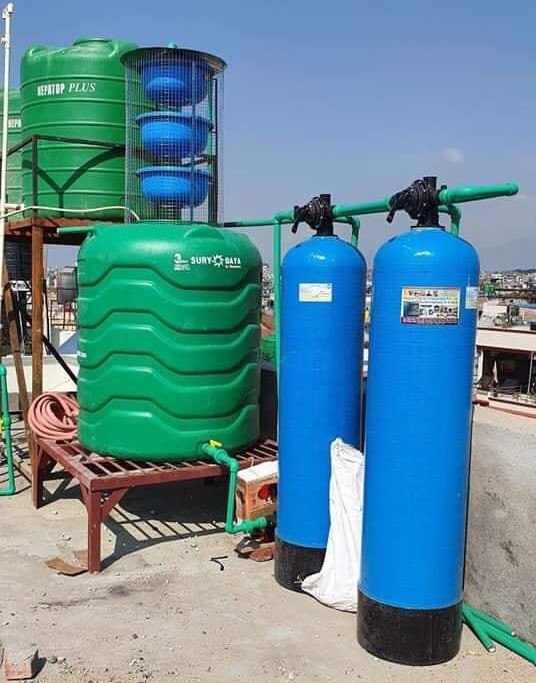
water treatment plant in Nepal

Water Treatment & RO Filter Systems in Nepal – Ensuring Clean, Healthy Water for Kathmandu Valley

In Nepal, clean and safe drinking water is more than a luxury—it’s essential for good health. At Multipower Solution, we specialize in water treatment and RO filter systems tailored for the needs of households, offices, and businesses in Kathmandu, Bhaktapur, Lalitpur, and across Nepal. Whether your water source is well, municipal line (KUKL), or borehole, we provide systems that reliably remove contaminants and make your water safe, great-tasting, and suitable for daily use.

Why Water Treatment & RO Filters are Crucial in Kathmandu, Bhaktapur & Lalitpur

  • Contaminants in Local Water Sources: Pipes may suffer damage, seepage, and contamination. Rivers, ground water, boreholes often contain suspended particles, heavy metals, microbes, and sometimes high TDS (total dissolved solids).
  • Health Risks: Without proper purification, waterborne diseases (diarrhoea, skin problems, typhoid etc.) are common. Clean, safe water through proper filtration significantly reduces these risks.
  • Monsoon & Turbidity Issues: During rains, water becomes turbid; municipal supply may carry silt. Effective pre-filtration, sediment filters, UV/UF & RO filtration help to ensure clarity and safety.
  • Taste & Odour: Chlorine smell, chemical tastes, metallic smells often plague tap water. Carbon filters, activated carbon, RO & post-filters improve taste & odor.
  • Water Scarcity & Cost Concerns: Using clean water treatment at home reduces dependency on bottled water or water jars, saving money in the long run.

Our Portfolio – Water Treatment & RO Filter Products & Services

We provide a variety of systems depending on your water quality, budget, and usage:

Product / SystemBest ForKey Components
Domestic RO FiltersHomes & small families (2-6 people), daily drinking & cooking waterPre-filter (sediment), carbon block, RO membrane, post filter, UV / mineralizer if desired
RO Systems with Alkaline / MineralizationFor those wanting better taste & restoring essential minerals lost in ROSame as RO + Alkaline / pH balancing stage
High Capacity RO SystemsOffices, shops, cafeterias, small industries needing large water volumesLarger membranes, higher flow rates (e.g. 20-50 LPH or more)
Water Treatment PlantsApartments, buildings, institutions, or areas with especially dirty waterMulti-stage treatment including sedimentation, RO, UV/UF, water softening etc.

Key Features & Benefits of Our Systems

  • Multi-Stage Purification – Screens/sediment filters, activated carbon, UV/UF, RO membranes remove particles, chemicals, heavy metals, micro-organisms.
  • High Removal Rates – Effective removal of bacteria, viruses, dissolved salts (TDS), lead, arsenic etc.
  • Improved Taste & Odor – Use of carbon filters and mineralization ensures water tastes fresh, crisp, not flat.
  • Safety & Hygiene – UV / UV-LED sterilization; storage tanks are sealed to avoid recontamination.
  • Energy Efficiency & Low Maintenance – Filters that are easy to replace; systems designed to consume less electricity.
  • Local Support & Installation – Because we’re based in Kathmandu Valley, we understand local water conditions, supply power, and provide timely installation & service.
Looking For?

What to Look For When Choosing a System in Nepal

To pick the right system, consider:

Certifications & Safety

• Food-grade plastic tanks, certified membranes if possible.
• Proper safety valves, pressure regulation.

Water Source & Quality

• Is your water from municipal supply (e.g. KUKL)? From borewell or river? Is it hard or soft?
• Measure TDS (Total Dissolved Solids) – if high, RO is helpful; if TDS is low, maybe UV + UF is enough.

Flow Rate & Capacity

• For a household of 3-5 people, probably 10-20 liters per hour RO is enough.
• For offices or shops, higher flow or storage tanks needed.

Stages / Filtration Types

• Sediment filter (removes sand, silt)
• Carbon block (removes chlorine, odor)
• Reverse Osmosis membrane
• UV or UF (kills or filters microorganisms)
• Alkaline / mineralization (optional, for better taste & health)

Storage & Backup

• Proper sized storage to have water during power cuts.
• UV/UF backup helps in rainy or cloudy seasons.

Filter Replacement & Cost

• Filters need periodic replacement; know availability and cost in Kathmandu Valley.
• Check warranty, parts, service.

Specifications

Our System Specifications (Typical Examples)

Here are example specs of systems we carry or install (you can adapt to your inventory):

Model / Use CaseCapacity (Liters / Hour or Storage)Number of StagesPrice Range (NPR)Best For
RO Filter 10-12 LPH, 5-Stage~12 LPH, 6-8 L tank5-6 stages (sediment, carbon, RO, post filter)NPR 15,000-25,000Small family home in Lalitpur / Kathmandu
RO with Alkaline pH Balancer15-20 LPH, storage6-7 stages including mineralizationNPR 25,000-40,000Taste conscious users, homes with moderate TDS
High-Flow RO (25-50 LPH)25-50 LPH, larger storage tank7-9 stagesNPR 40,000-70,000Offices, shops, small hotels in Bhaktapur / KTM
FAQs

FAQ – Frequently Asked Questions

1. Do I always need an RO filter?

Not always. If your water has low TDS (< ~300-400 ppm), low hardness, and is free from harmful microbes, a UV + UF or carbon filter might be sufficient. But many sources around Kathmandu Valley show higher TDS / microbial contamination, so RO is often a safer choice.

2. What is the difference between UV, UF, and RO?

  • RO (Reverse Osmosis): removes dissolved salts, heavy metals, many chemical contaminants, very fine filtration.
  • UV (Ultraviolet): kills / inactivates microorganisms like bacteria & viruses.
  • UF (Ultrafiltration): filters out many microorganisms and larger particles, but not dissolved salts.

3. How often must I change filters and what is the cost?

Sediment & carbon filters usually need replacing every 3-6 months depending on water quality and usage. RO membranes usually last 1-2 years. Mineralization cartridges (if any) also need periodic replacement. We can provide parts locally in Kathmandu, Bhaktapur & Lalitpur.

4. How much water is wasted by RO systems?

Traditional RO filters waste some water. Some newer/recovery RO systems reduce waste significantly. If water scarcity is a concern, ask for “high-recovery RO” models.

5. What about after power cuts or cloudy days?

Make sure storage tanks are well insulated; include UV or UF backup; and choose systems with battery / inverter compatibility if needed.

Installation

Order & Installation Process

After Sales Service
Local support ensures any issue is addressed quickly in Kathmandu Valley.

Initial Consultation & Water Testing
We can come to your location in Kathmandu, Bhaktapur or Lalitpur and test your water (TDS, hardness, turbidity etc.).

Product & System Selection
Based on water quality, usage, and budget, we recommend suitable systems: basic RO, RO + alkaline, UV/UF etc.

Installation
Our skilled technicians install the system, set up proper orientation, plumbing, electrical safety.

Support & Maintenance
We provide service for filter replacements, cleaning, troubleshooting.

CONCLUSION

Clean, safe water is critical for your family’s health. Don’t wait until you see problems—installing a good water treatment / RO filter system today saves money and worry.

Contact Multipower Solution now
📞 +977-9841505550 or visit our showrooms in Kathmandu, Bhaktapur & Lalitpur
Request a free water test and quote — we’ll help you choose the best system for your home or business.

Shopping Cart

No products in the cart.