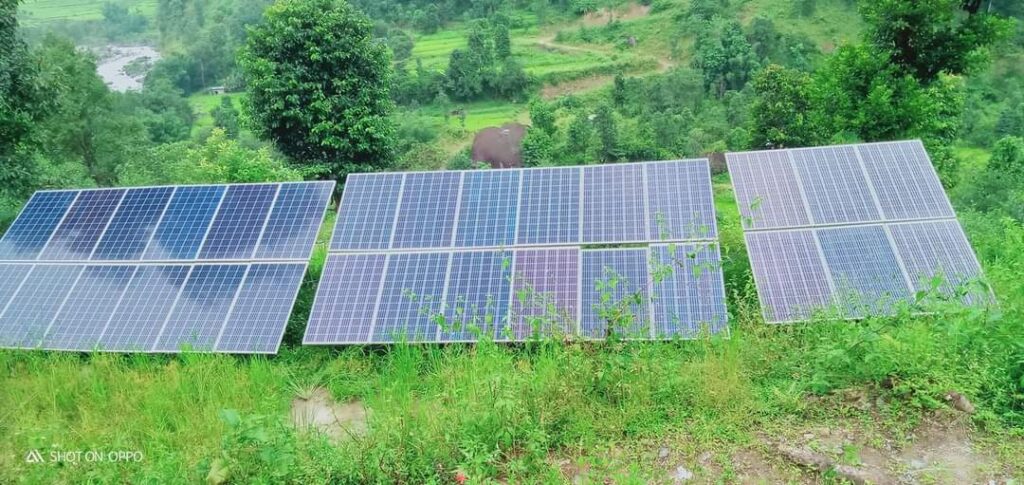

Nepal is going through a quiet but powerful energy transition. While hydropower remains the backbone of electricity generation, solar energy in Nepal is rapidly emerging as one of the most practical, affordable, and future-proof energy solutions for homes, farms, businesses, and institutions.
With rising electricity demand, seasonal power stress, fuel price uncertainty, and Nepal’s abundant sunlight, many people are asking:
👉 Is solar energy worth it in Nepal?
This article answers that question with real cost data, Nepal-based examples, payback calculations, trends, and practical guidance, helping you decide whether investing in solar power makes financial and practical sense in 2026 and beyond.
☀️ Why Nepal Is Naturally Perfect for Solar Energy

Nepal is one of the most solar-friendly countries in South Asia due to its geography and climate.
Key solar advantages of Nepal:
- 300+ sunny days per year in many regions
- Average solar irradiation of 4.5–5.5 kWh/m²/day
- High altitude regions receive strong solar intensity
- Many rural areas still face grid limitations
Studies estimate Nepal’s theoretical solar potential at over 400 GW, which is far more than Nepal’s current and projected electricity demand. Despite this, only a small fraction of this potential has been utilized, making solar one of the biggest untapped opportunities in Nepal’s energy sector.
📊 Solar Energy Trend in Nepal (2023–2026)
Solar adoption in Nepal is no longer limited to small lanterns or rural lighting systems. The trend has evolved significantly.
Major solar trends in Nepal:
- Rapid growth of rooftop solar systems in Kathmandu, Lalitpur, and Bhaktapur
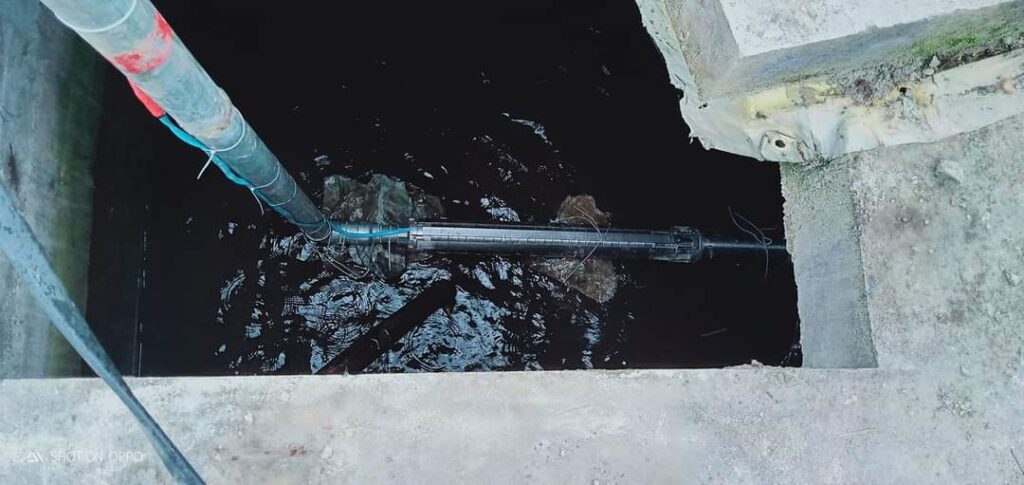
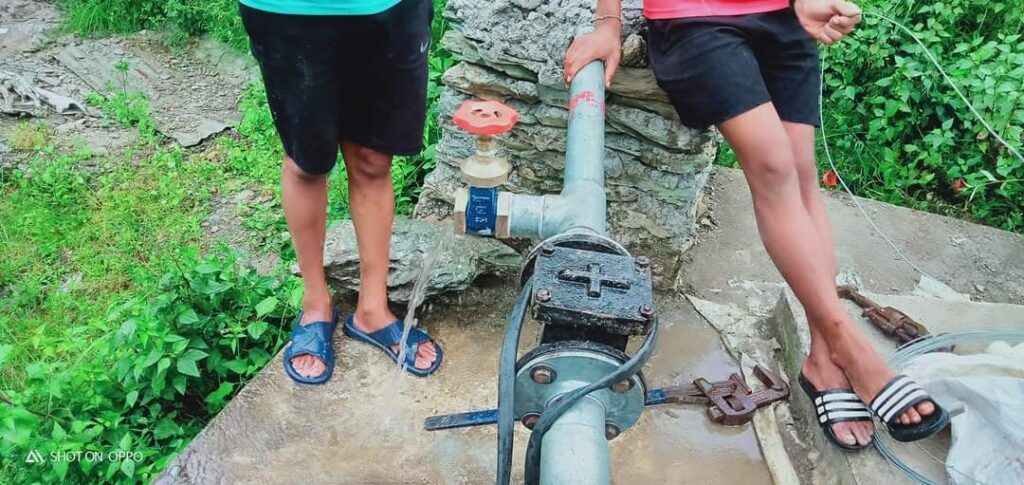
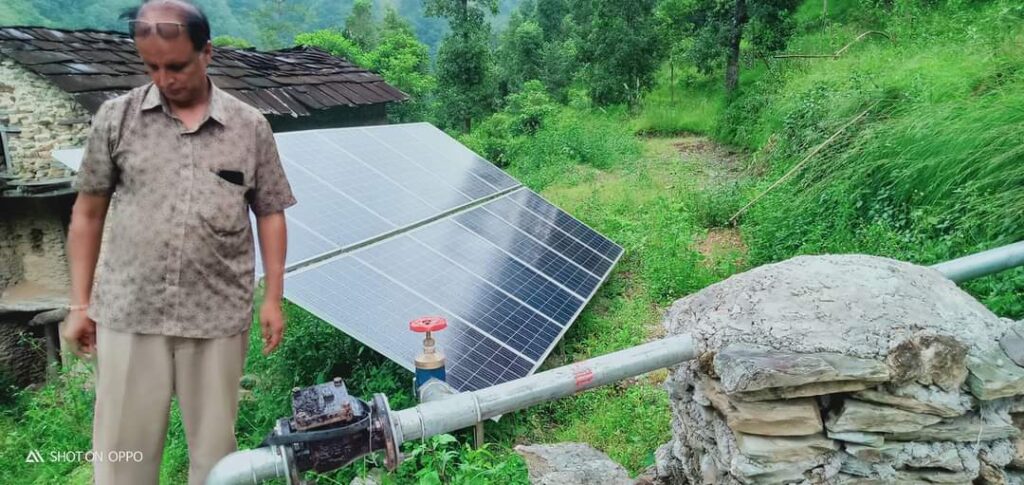
- Strong adoption of solar water pumping systems in agriculture and drinking water projects
- Expansion of commercial and institutional solar rooftops (schools, hospitals, offices)
- Declining global solar panel prices, making systems more affordable
- Increased awareness of energy independence and backup power
Hundreds of thousands of households already use some form of solar technology, and urban rooftop solar installations are accelerating due to rising electricity bills and net-metering policies.
💰 Solar Energy Cost in Nepal (2026 Updated)
Solar system prices in Nepal depend on system size, quality of components, inverter type, mounting structure, and installation expertise.
Average Solar System Cost in Nepal
| System Type | Estimated Cost (NPR) |
| 1 kW Rooftop Solar | 55,000 – 65,000 |
| 3 kW Rooftop Solar | 170,000 – 200,000 |
| 5 kW Rooftop Solar | 275,000 – 325,000 |
| 10 kW Rooftop / Pumping System | 550,000 – 650,000 |
These prices are indicative for quality components. Cheaper systems may exist but often compromise on panel efficiency, inverter lifespan, or installation quality.
🔍 How Much Energy Does Solar Produce in Nepal?
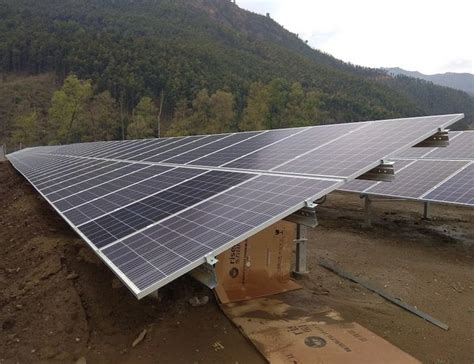
A common question is: How much electricity can solar panels generate in Nepal?
On average:
- 1 kW solar system produces 4.5–5.5 units/day
- Annual production ≈ 1,600–2,000 units per kW
This makes Nepal highly competitive compared to many countries with lower solar irradiation.
📉 Cost–Benefit Analysis: Real Nepal-Based Examples
✅ Example 1: 5 kW Rooftop Solar for a Household (Kathmandu Valley)
System Details:
- Capacity: 5 kW
- Installation cost: NPR 300,000
- Daily generation: ~25 units
- Annual generation: ~9,125 units
Electricity value (average): NPR 7/unit
💸 Annual Savings:
9,125 × 7 = NPR 63,875 per year
⏱ Payback Period:
300,000 ÷ 63,875 ≈ 4.7 years
After payback, the household enjoys 15–20 years of near-free electricity, with minimal maintenance costs.
✅ Example 2: 10 kW Solar Water Pumping System (Rural Nepal)
Solar water pumping is one of the most financially rewarding uses of solar energy in Nepal.
System Details:
- Capacity: 10 kW
- Installation cost: NPR 600,000
- Annual energy output: ~18,250 units
If replacing diesel pumping or unreliable grid power:
Estimated annual savings: NPR 120,000–150,000
⏱ Payback Period:
4–5 years
Beyond financial savings, benefits include:
- Reliable year-round water supply
- Increased agricultural productivity
- Zero fuel dependency
- Low maintenance
This makes solar pumping especially valuable for villages, farms, schools, and drinking water projects.
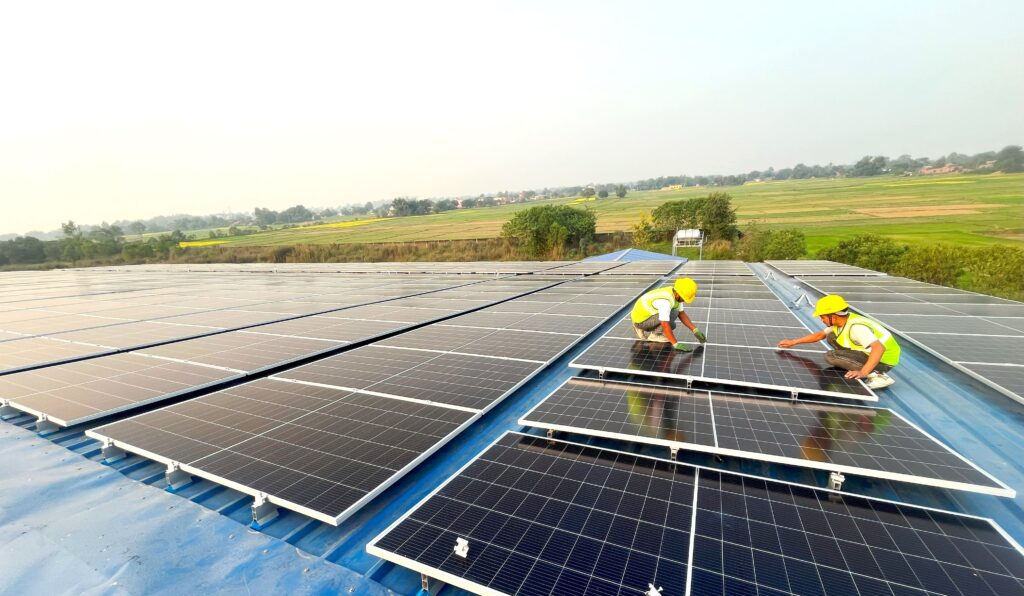
⚖️ Solar vs Grid Electricity vs Diesel in Nepal
| Factor | Solar Energy | Grid Electricity | Diesel |
| Fuel cost | Free | Rising tariffs | Very high |
| Reliability | High | Medium | Medium |
| Maintenance | Low | Low | High |
| Long-term cost | Very low | Medium | Very high |
| Environmental impact | Clean | Mixed | Polluting |
Conclusion: Over a 20-year lifecycle, solar energy is significantly cheaper and cleaner than both grid electricity and diesel.
🔌 Net Metering & Policy Support in Nepal
Nepal has introduced net metering for grid-connected solar systems, allowing users to export excess electricity to the national grid.
Key benefits:
- Reduces electricity bills further
- Shortens payback period
- Makes rooftop solar viable for urban homes and businesses
Additionally, solar-friendly loans, subsidies, and donor-supported programs help reduce upfront costs for households and institutions.
🌱 Non-Financial Benefits of Solar Energy in Nepal
Beyond money, solar energy offers powerful long-term benefits:
- Energy independence during power outages
- Stable electricity cost for decades
- Reduced carbon footprint and pollution
- Ideal for remote and off-grid areas
- Improves property value and sustainability rating
These benefits are especially important in a country like Nepal, which is vulnerable to climate change and fuel import dependency.
⚠️ When Solar Energy May Not Be Ideal
Solar may not be the best option if:
- Roof is heavily shaded
- Electricity usage is very low
- Poor-quality components are used
- Installation is done without proper design
👉 Solution: Always perform a site survey, load calculation, and shading analysis before investing.
❓ Frequently Asked Questions (FAQs)
Is solar energy profitable in Nepal?
Yes. Most systems recover their cost within 4–6 years and provide savings for 20+ years.
How much does a 5 kW solar system cost in Nepal?
Approximately NPR 275,000–325,000, depending on quality and installation.
Can solar power run an entire house in Kathmandu?
Yes, with a properly sized rooftop system and grid or battery support.
Is solar better than diesel generators?
Absolutely. Solar is cheaper, cleaner, quieter, and more reliable long term.
Does solar work during monsoon and winter?
Yes. Production drops slightly, but systems are designed for year-round operation.
Why This Information Is Trustworthy
This analysis is based on:
- Nepal market pricing trends
- Real project installations (rooftop & pumping systems)
- Government and industry benchmarks
- Practical solar engineering experience
For accurate results, always consult a local solar expert with field experience.
✅ Final Verdict: Is Solar Energy Worth It in Nepal?
Yes — solar energy is absolutely worth it in Nepal for:
- Homeowners with moderate to high electricity usage
- Farmers needing reliable irrigation or drinking water
- Businesses aiming to reduce long-term energy costs
- Remote communities without stable grid access
With falling prices, strong sunlight, and supportive policies, 2026 is one of the best times to invest in solar energy in Nepal.
If you are planning to install rooftop solar systems, solar water pumping, or hybrid solar solutions, contact Multi Power Solution for a professional site survey, transparent quotation, and reliable installation tailored to Nepal’s conditions.