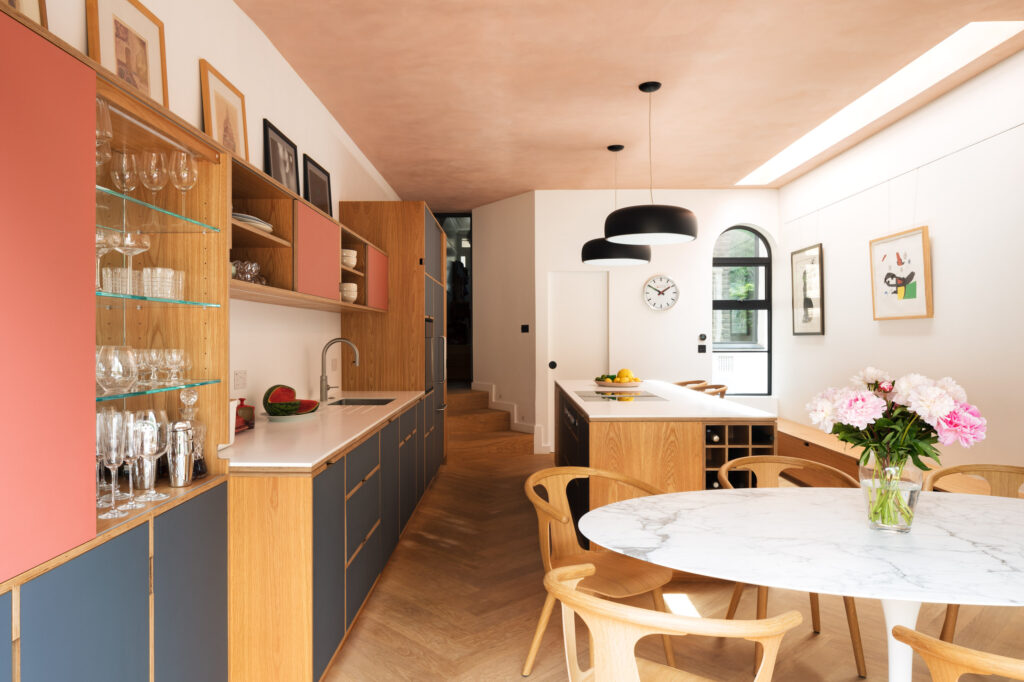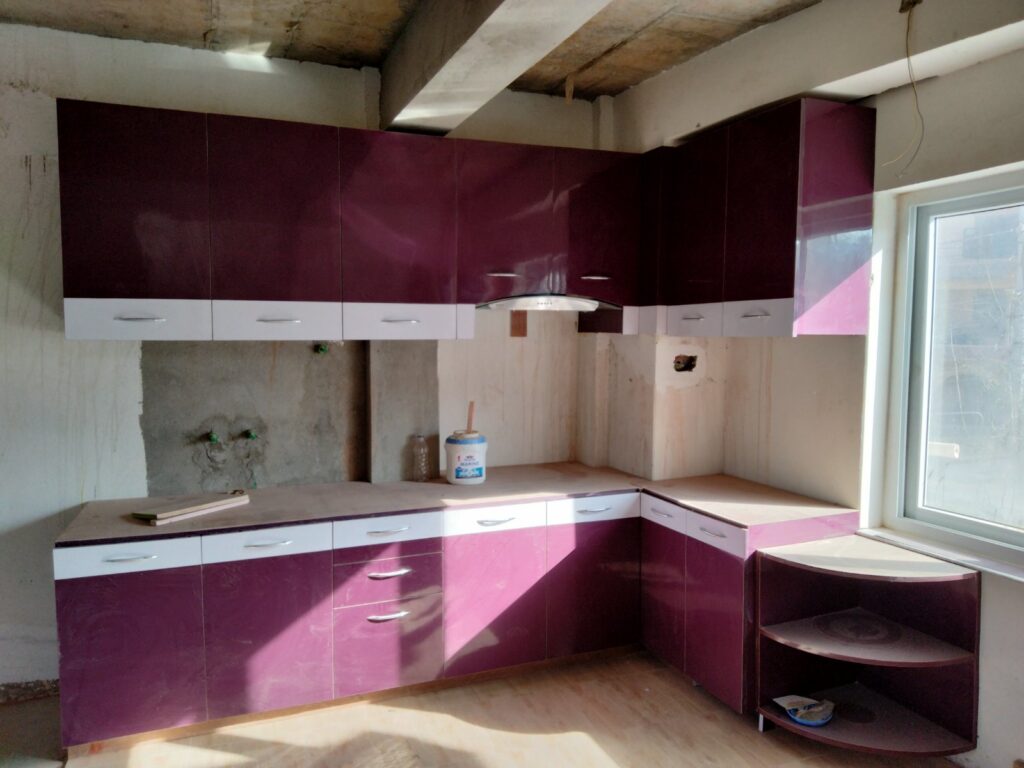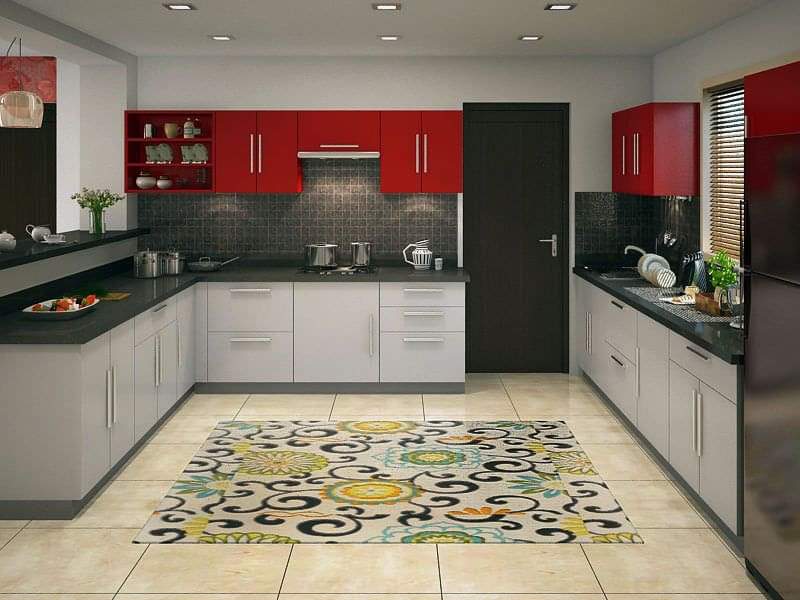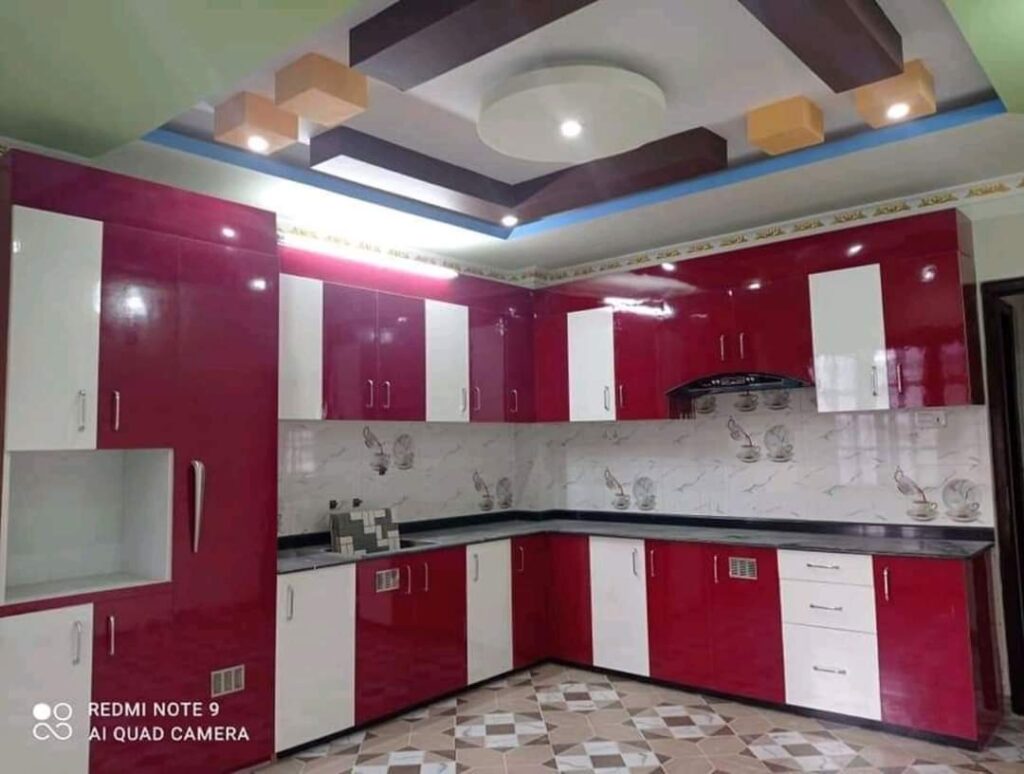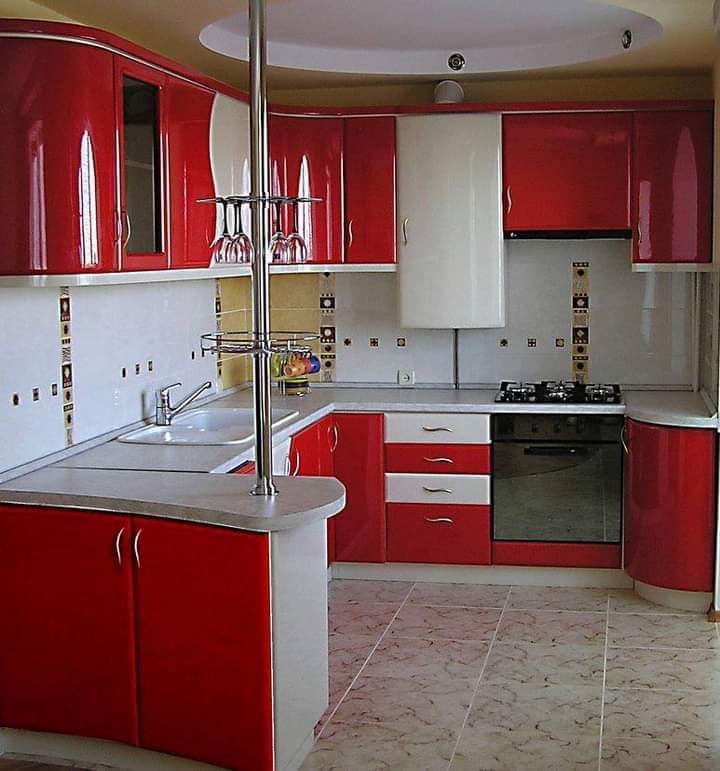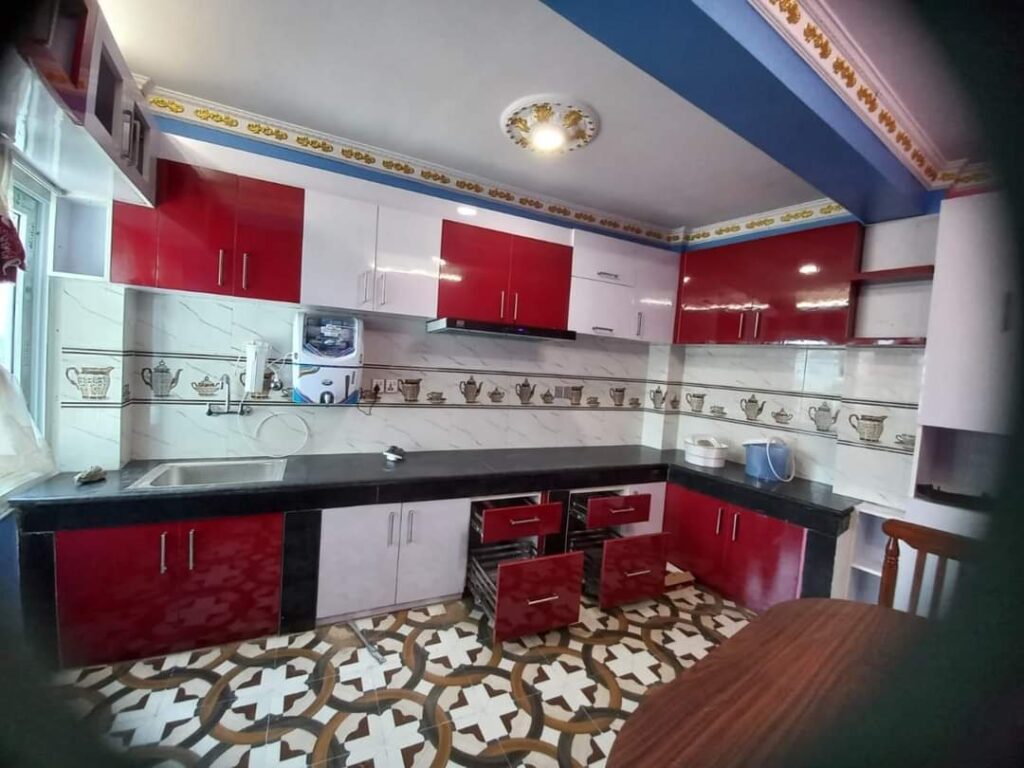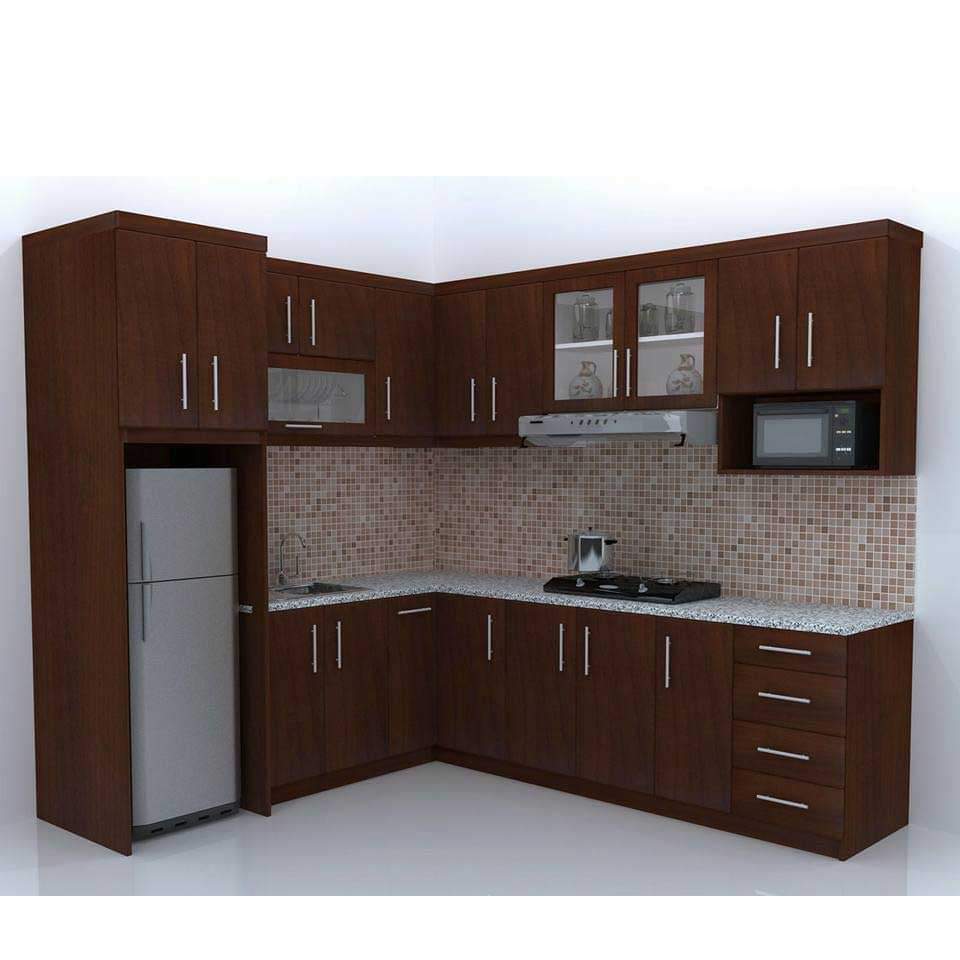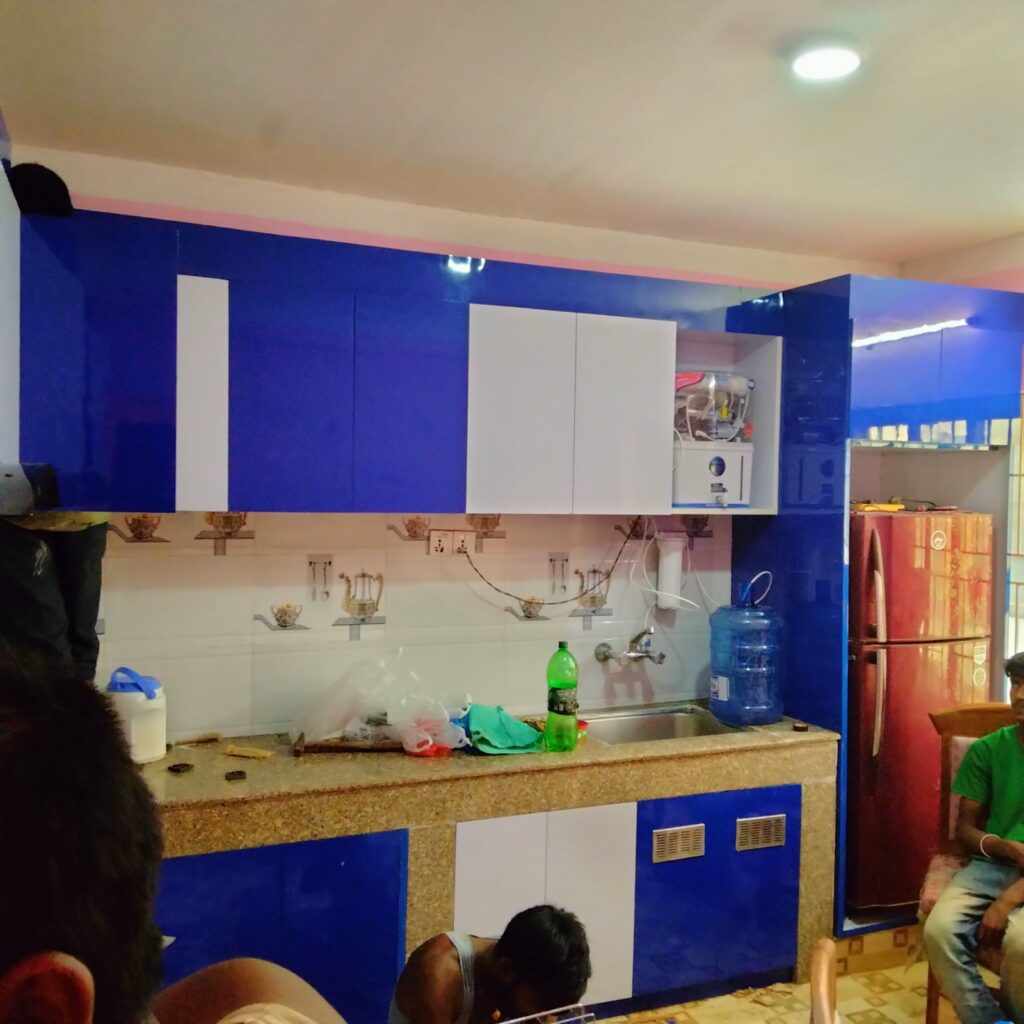
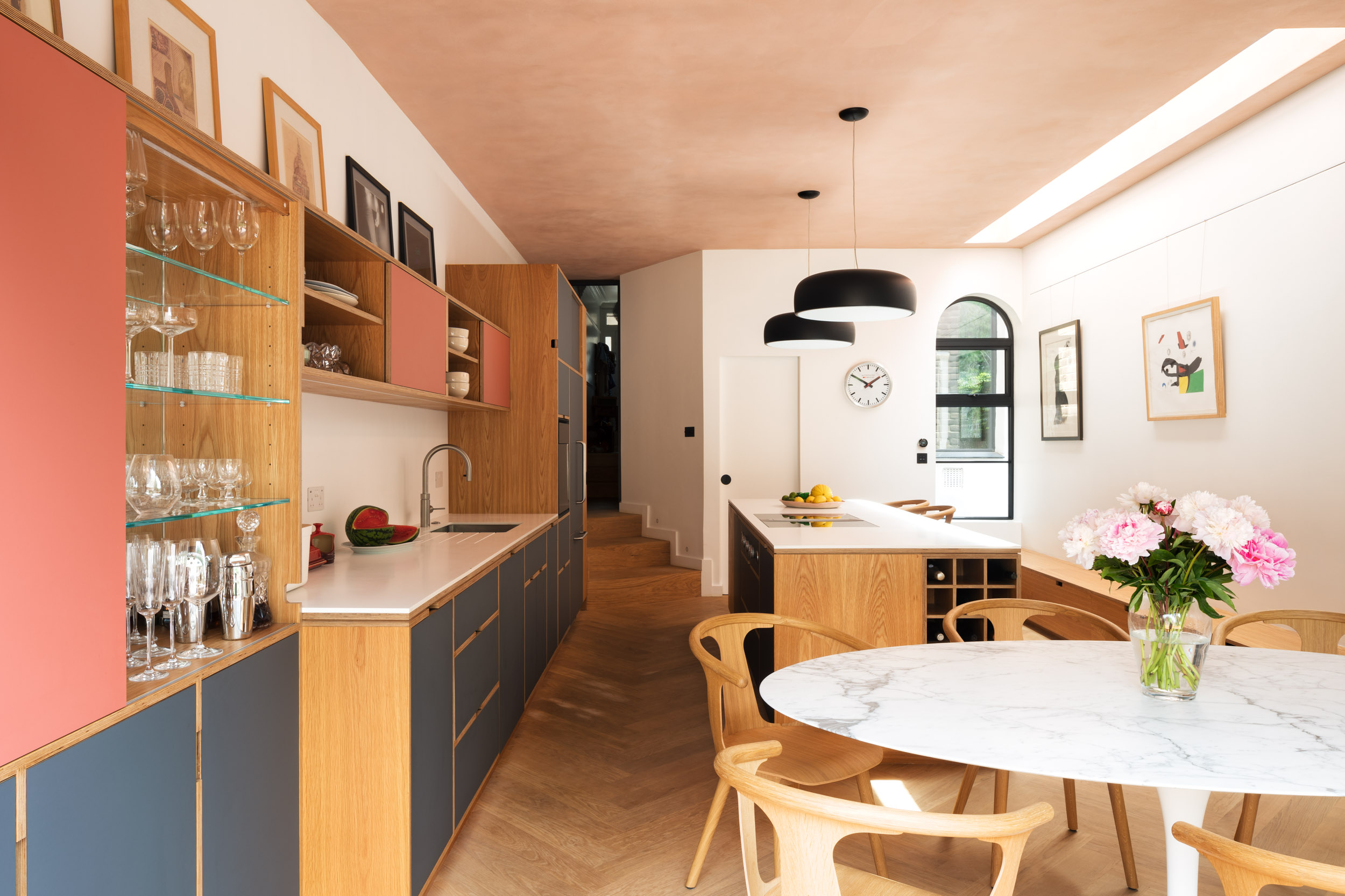
The kitchen is the heart of every Nepali home. It’s where families cook, share meals, and spend meaningful time together. But in recent years, a transformation has begun—Modular Kitchens are rapidly replacing old-style Traditional Kitchens in Kathmandu, Bhaktapur, Lalitpur, Pokhara, Chitwan and many developing cities of Nepal.
While traditional kitchens have served households for generations, modern lifestyle demands, space optimization, aesthetics, hygiene, and functionality have made many homeowners rethink their kitchen design.
So the important question is:
👉 Modular Kitchen vs Traditional Kitchen – which is better in Nepal in terms of cost, durability, maintenance, and long-term value?
This detailed guide compares both options so you can make an informed decision based on your home, lifestyle, and budget.
🥘 Modular Kitchen vs Traditional Kitchen – What’s the Difference?
Before comparing cost and durability, let’s understand both:
✔ What is a Traditional Kitchen?
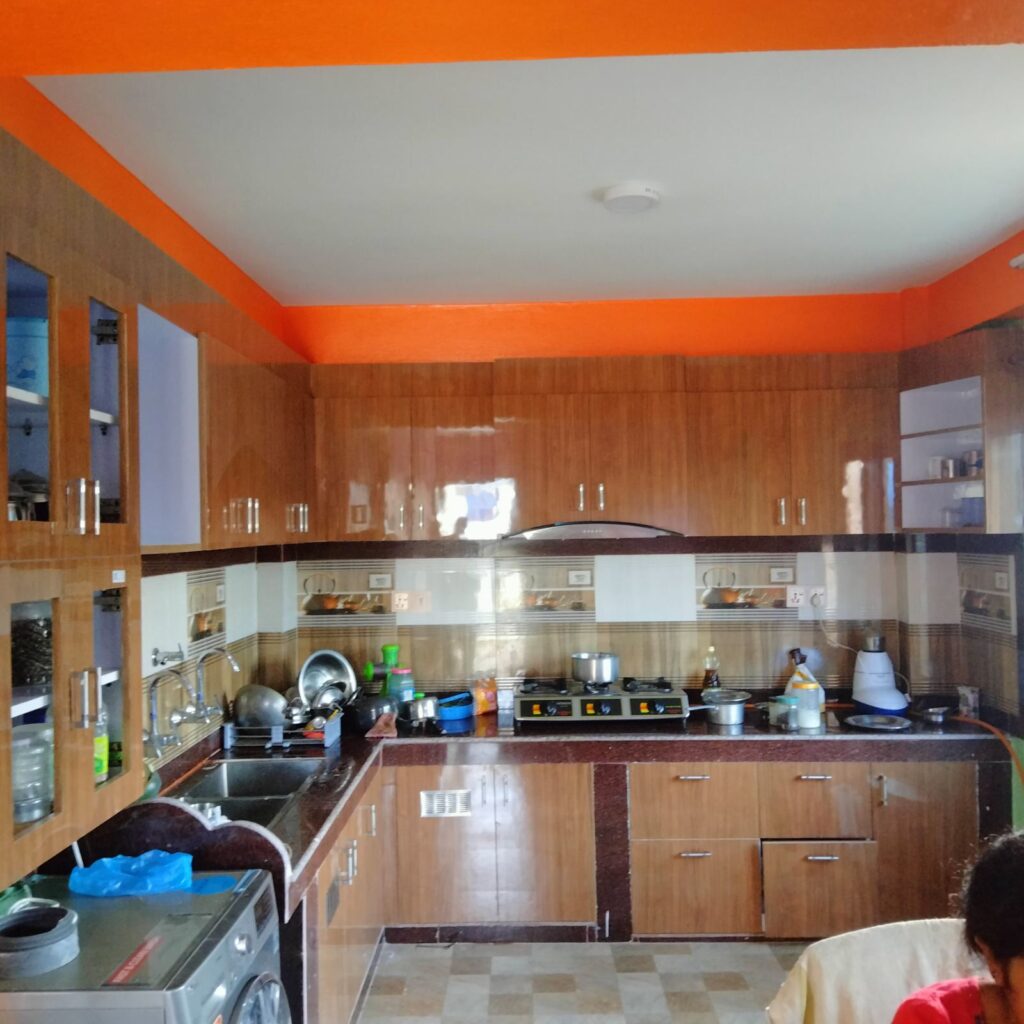
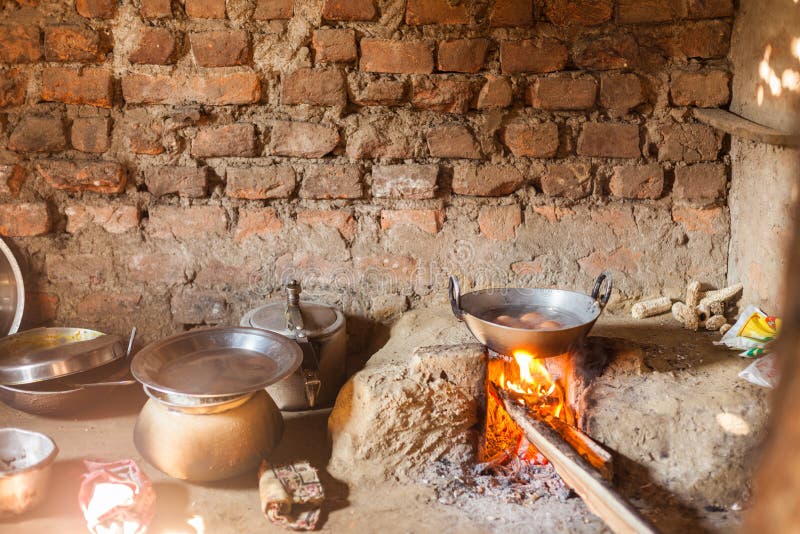
A traditional kitchen in Nepal is usually built on-site by carpenters and masons using bricks, cement platforms, tiles, and fixed cabinets. It is permanent, non-movable and built manually without factory precision.
✔ What is a Modular Kitchen?
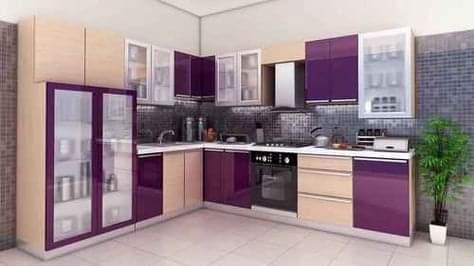
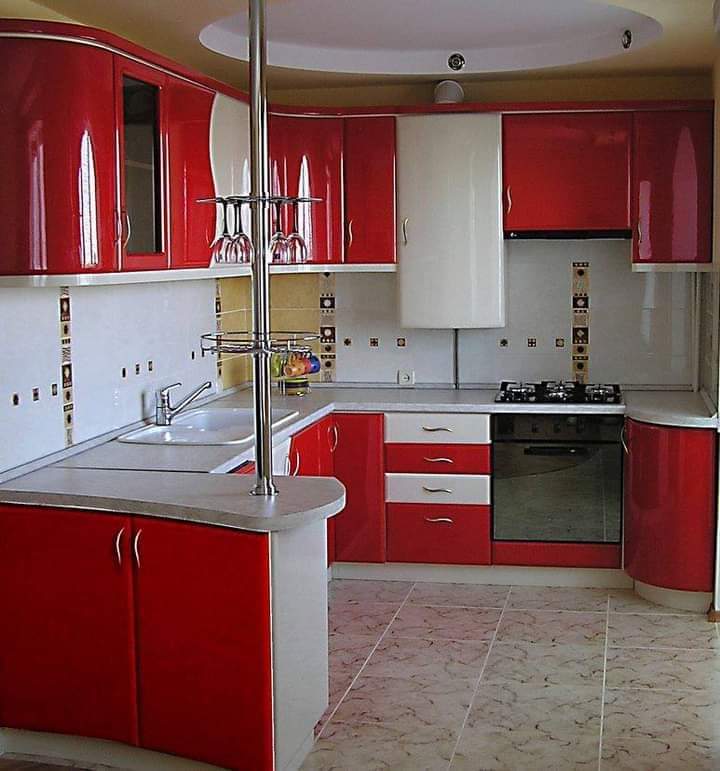
A modular kitchen is a pre-engineered, factory-finished, customizable kitchen system made using modules like cabinets, drawers, storage units, chimneys, countertops, and accessories. It is assembled on-site, offering flexibility, modern looks, and efficiency.
💰 Cost Comparison – Modular Kitchen vs Traditional Kitchen in Nepal
One of the biggest deciding factors for Nepali homeowners is cost. Many people assume modular kitchens are extremely expensive, but the reality is different when you compare value vs lifetime cost.
🏷 Traditional Kitchen Cost in Nepal
A traditional cement-based kitchen typically costs:
| Item | Estimated Cost |
| Brick / Cement / Tiles | Rs. 1,00,000 – Rs. 2,00,000 |
| Wooden Cabinets | Rs. 60,000 – Rs. 1,50,000 |
| Countertops & Fittings | Rs. 50,000 – Rs. 1,00,000 |
| Labor Cost | Rs. 50,000+ |
| Total Average | Rs. 2,50,000 – Rs. 4,50,000 |
However:
❌ No factory precision
❌ No modern storage optimization
❌ Difficult repairs
❌ No modular flexibility
🏷 Modular Kitchen Cost in Nepal
Modular kitchen price depends on design, materials, size, finish, and accessories.
| Kitchen Type | Price Range |
| Basic Modular Kitchen | Rs. 2,00,000 – Rs. 3,50,000 |
| Mid-Range Modular Kitchen | Rs. 3,50,000 – Rs. 6,00,000 |
| Premium Modular Kitchen | Rs. 6,00,000 – Rs. 12,00,000+ |
Why Modular Kitchens Cost More Initially
Because you are paying for:
✔ High-quality factory finish
✔ Precision engineering
✔ Branded fittings & hardware
✔ Modern design
✔ Better usability & hygiene
But…
👉 Long-Term Cost Advantage
Modular kitchens save money over time by reducing:
- repair cost
- maintenance hassle
- replacement need
- space waste
- electricity consumption (with chimney & exhaust benefits)
So while initial investment may be slightly higher, the lifetime value is much better.
🛠 Durability Comparison – Which Lasts Longer?
Durability is crucial, especially in Nepali kitchens where:
- masala
- oil
- steam
- Nepali style frying and cooking
- generate heat, moisture and grease daily.
🧱 Traditional Kitchen Durability
Traditional kitchens are strong due to brick and cement structure. However, they face issues like:
❌ moisture absorption
❌ fungus & dampness
❌ termite in wooden cabinets
❌ tiles cracking
❌ difficult repair work
Average lifespan without major renovation:
10–15 years
🏆 Modular Kitchen Durability in Nepal
Modern modular kitchens use:
- water-resistant plywood
- aluminium / PVC cabinets (optional)
- anti-termite treated wood
- stainless steel hardware
- heat and steam-resistant laminates
This makes them ideal for Nepali cooking conditions.
Average lifespan:
20–30+ years
Plus:
✔ Easy to repair
✔ Replace only damaged part
✔ Rust & termite resistant options available
✔ Better resistance to heat and humidity
🧽 Hygiene & Maintenance – Which is Easier?
Traditional Kitchen Maintenance
- Cleaning tiles → difficult
- Grease accumulation → common
- Deep cleaning → time-consuming
- Hidden corners → unhygienic
Modular Kitchen Maintenance
- Smooth easy-to-clean surfaces
- Advanced chimney + exhaust support
- Better ventilation
- Less bacterial growth
- Organized drawers reduce mess
Modular kitchen vs traditional kitchen – Winner: Modular Kitchen
🏡 Space Utilization & Storage
Nepali houses generally have limited kitchen space, especially in Kathmandu and city apartments.
Traditional Kitchen
❌ Wasted corners
❌ Fixed structure
❌ No intelligent storage design
Modular Kitchen
✔ Maximum space utilization
✔ Corner carousels
✔ Smart drawers
✔ Tall pantry units
✔ Overhead cabinets
This results in:
- cleaner kitchen
- more storage
- more walking space
- better workflow
🎨 Aesthetics & Modern Look
Let’s be honest – kitchens should look beautiful ❤️
Modular kitchens offer:
✨ Premium finish
✨ Elegant designs
✨ Multiple color options
✨ Sleek lines
✨ Luxury appearance
Traditional kitchens cannot match this modern visual appeal.
🌡 Performance in Nepali Climate
Nepal has diverse climate:
- Cold winters (Kathmandu, Bhaktapur, Lalitpur)
- Hot summers (Terai belt)
- Humidity in certain regions
Modular kitchens handle climate better because:
✔ moisture-resistant materials
✔ rust-free steel hardware
✔ termite resistant options
🏗 Installation Time Comparison
Traditional Kitchen
⏳ 20–45 days
Messy, noisy, dusty construction.
Modular Kitchen
⏳ 5–7 days average
Factory-ready modules, quick installation, minimal disturbance.
Perfect for renovation and new homes.
🔌 Appliance Integration Benefit
Modern modular kitchens easily integrate:
- chimney
- hob
- oven
- dishwasher
- refrigerator
- microwave
Traditional kitchens usually require additional modification.
Since Multi Power Solution already deals in home appliances, modular kitchens perfectly complement appliance installation, improving:
✔ performance
✔ safety
✔ efficiency
🏆 Final Comparison Table
| Feature | Modular Kitchen | Traditional Kitchen |
| Cost (Initial) | Medium to High | Medium |
| Long-Term Cost | Low | High |
| Durability | 20–30+ years | 10–15 years |
| Maintenance | Easy | Difficult |
| Space Utilization | Excellent | Limited |
| Hygiene | Excellent | Average |
| Installation Time | Fast | Slow |
| Modern Look | Premium | Basic |
| Repair Flexibility | High | Low |
❓ FAQs
Frequently Asked Questions
Is modular kitchen better than traditional kitchen in Nepal?
Yes. Modular kitchens are more durable, space-efficient, modern, hygienic, and long-lasting compared to traditional kitchens.
How much does modular kitchen cost in Nepal?
Prices generally range from Rs. 2,00,000 to Rs. 10,00,000+ depending on size, material, and design.
Which is more durable – modular or traditional kitchen?
Modular kitchens usually last 20–30 years, while traditional kitchens average 10–15 years.
Is modular kitchen worth the investment?
Absolutely. You get better functionality, comfort, hygiene, resale value, and long-term savings.
Can modular kitchen handle Nepali cooking style (spices, oil, steam)?
Yes. Modern modular kitchens are designed to handle heavy cooking conditions like Nepali households.
Which Kitchen is Better in Nepal?
If you want:
- long-term durability
- modern look
- higher home value
- easier maintenance
- better space usage
👉 Modular Kitchen is the best choice in Nepal.
Traditional kitchens are only suitable if:
- you prefer cement structure
- want minimal customization
- have very tight budget
But for modern living, Modular Kitchen clearly wins.
Conclusion
If you’re planning to build or upgrade your kitchen in Nepal, Multi Power Solution provides:
✔ Premium Modular Kitchen Setup
✔ Professional Design Consultation
✔ High-quality materials
✔ Appliance integration
✔ Reliable installation & support
📍 Kathmandu • Bhaktapur • Lalitpur • Across Nepal