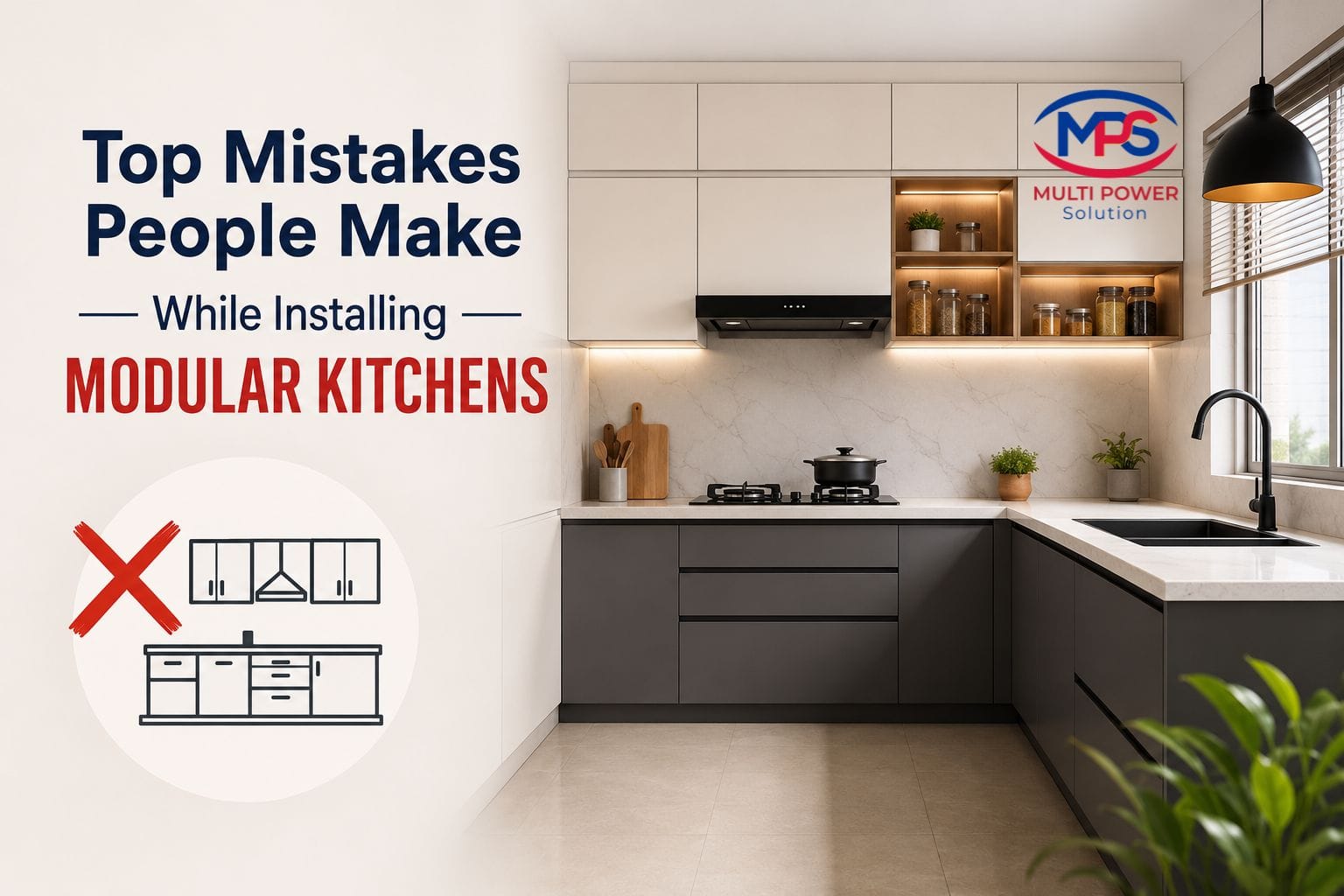
Modern homes in Nepal are rapidly adopting stylish and functional modular kitchens. With increasing urbanization, apartment living, and demand for smart interiors, modular kitchen installation has become one of the fastest-growing home improvement trends in Kathmandu, Bhaktapur, Lalitpur, and other major cities. Nepal’s growing private sector, urban housing development, and rising investment in modern infrastructure are also contributing to increased demand for premium home solutions. (World Bank)
However, many homeowners make costly mistakes during modular kitchen planning and installation. These errors can lead to poor functionality, wasted space, higher maintenance costs, and expensive redesigns later.
In this guide by Multi Power Solution, we will explore the top mistakes people make while installing modular kitchens in Nepal and how to avoid them for a stylish, practical, and long-lasting kitchen.
Why Modular Kitchens Are Growing in Nepal
The demand for modular kitchens is increasing rapidly in Nepal due to changing lifestyles, modern housing trends, and smart home preferences. Urban families now prioritize functionality, aesthetics, and efficient use of space.
Factors driving modular kitchen demand include:
- Growth of apartments and modern housing
- Increased awareness of interior design
- Demand for smart storage systems
- Rising middle-class spending
- Preference for organized kitchens
- Expansion of premium home appliance markets
Modern homeowners want kitchens that are:
- Easy to clean
- Space efficient
- Stylish
- Durable
- Compatible with modern appliances
But without proper planning, even an expensive modular kitchen can become inconvenient.
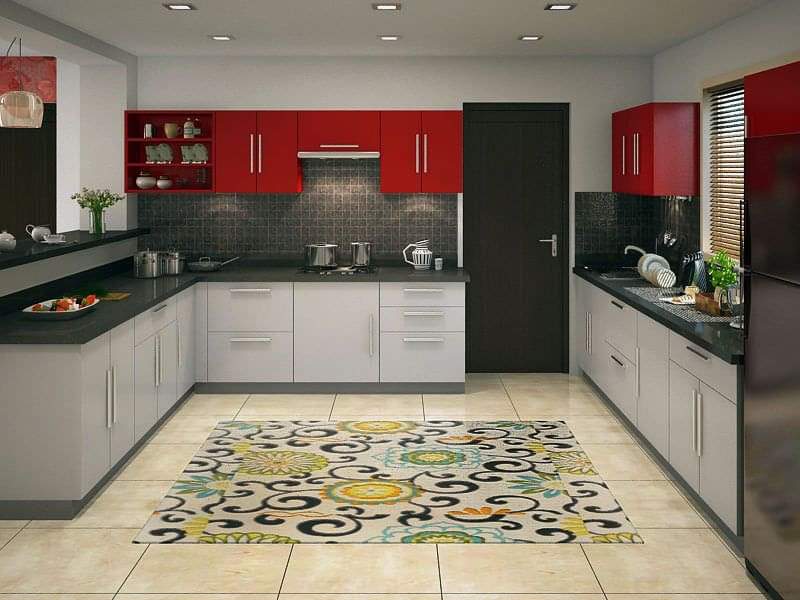
1. Ignoring Proper Kitchen Layout Planning
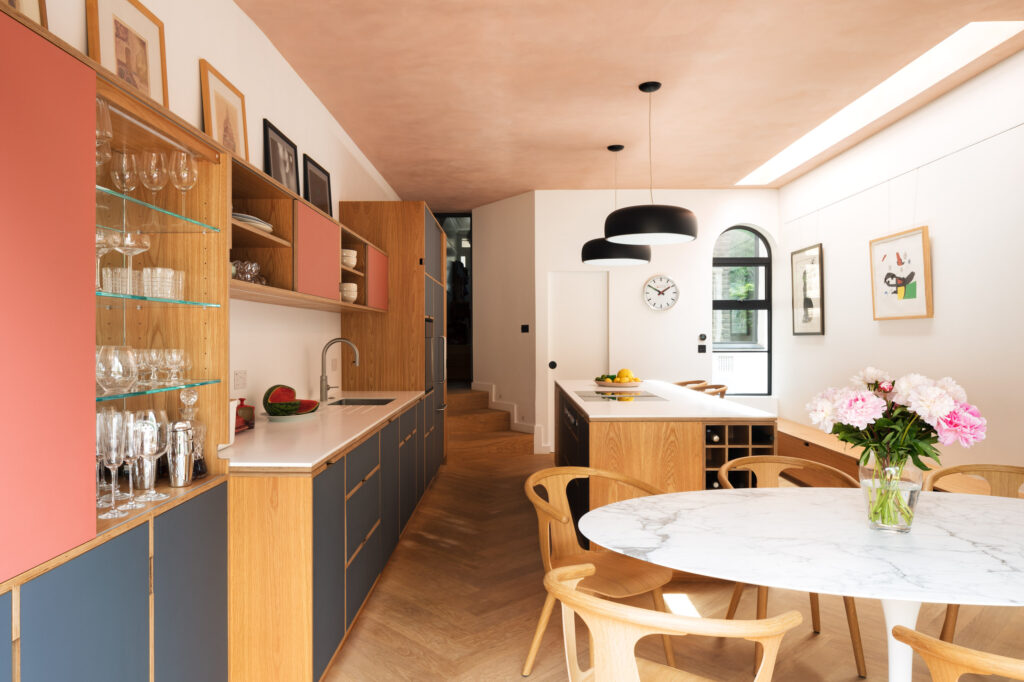
One of the biggest mistakes people make is selecting a beautiful design without considering functionality.
A kitchen should follow the “work triangle” principle:
- Sink
- Refrigerator
- Cooking area
These three areas should be positioned efficiently for smooth workflow.
Common Problems
- Long walking distance
- Congested movement
- Poor appliance positioning
- Wasted space
Best Solution
Choose layouts based on your kitchen size:
- L-shaped kitchen
- U-shaped kitchen
- Parallel kitchen
- Island kitchen
- Straight modular kitchen
Professional kitchen planning ensures convenience and better daily usability.
2. Choosing Design Over Functionality
Many homeowners focus only on aesthetics and ignore practical needs.
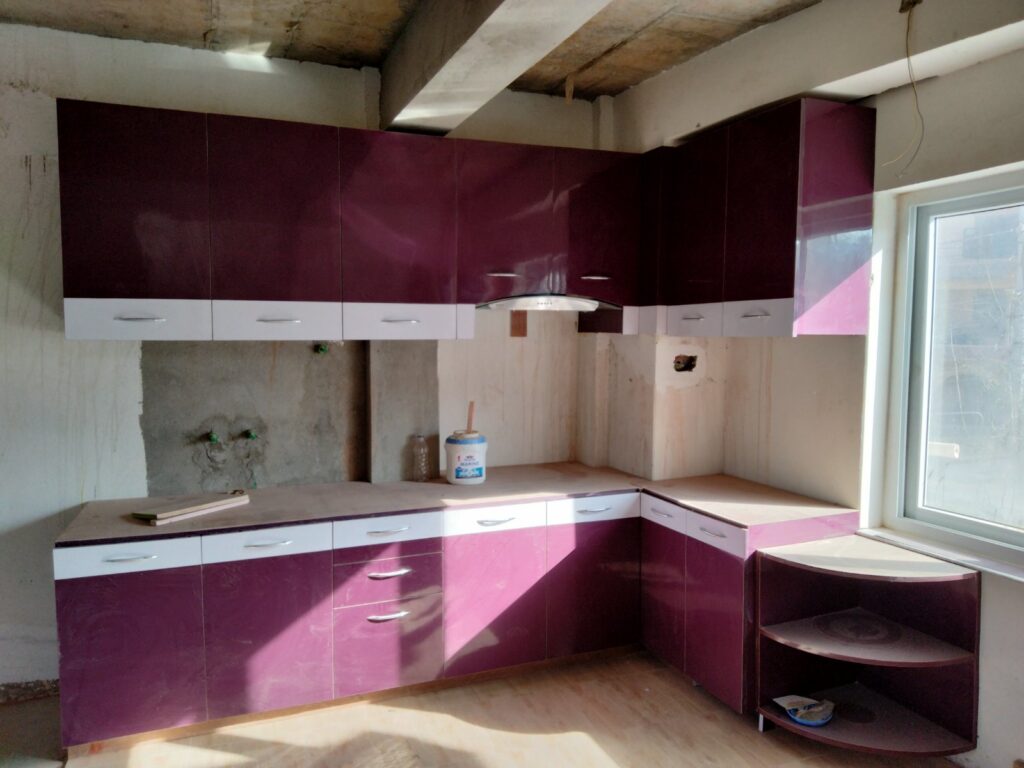
A glossy kitchen may look attractive initially, but poor storage planning can create daily frustration.
Mistakes Include
- Insufficient storage
- Oversized cabinets
- Difficult-to-clean surfaces
- Poor drawer accessibility
Smart Approach
Prioritize:
- Deep drawers
- Corner storage
- Pull-out units
- Soft-close mechanisms
- Easy maintenance materials
A functional kitchen saves time, reduces stress, and improves cooking efficiency.
3. Using Low-Quality Materials
Many people try to reduce costs by selecting cheap materials.
This often results in:
- Swollen cabinets
- Rusting hardware
- Peeling laminates
- Water damage
- Short lifespan
Nepal’s humid monsoon climate can significantly affect poor-quality kitchen materials.
Recommended Materials
- Marine plywood
- Waterproof laminates
- Stainless steel accessories
- High-quality hinges
- Moisture-resistant boards
Investing in durable materials increases long-term value and reduces repair costs.
4. Poor Ventilation Planning
Cooking generates heat, smoke, grease, and moisture.
Without proper ventilation:
- Walls become greasy
- Cabinets deteriorate
- Kitchen odor spreads
- Indoor air quality decreases
Common Mistake
People install expensive kitchens but ignore proper chimney and exhaust systems.
Recommended Solution
Install:
- Kitchen chimney
- Exhaust fan
- Proper window ventilation
Choosing the correct chimney capacity based on kitchen size is extremely important.
5. Wrong Lighting Placement
Lighting is often overlooked during modular kitchen installation.
Poor lighting creates:
- Unsafe cooking conditions
- Dark countertops
- Eye strain
- Poor aesthetics
Recommended Lighting Setup
Use layered lighting:
- Ceiling lights
- Under-cabinet lighting
- Task lighting
- Decorative lighting
LED lighting is energy efficient and ideal for modern modular kitchens.
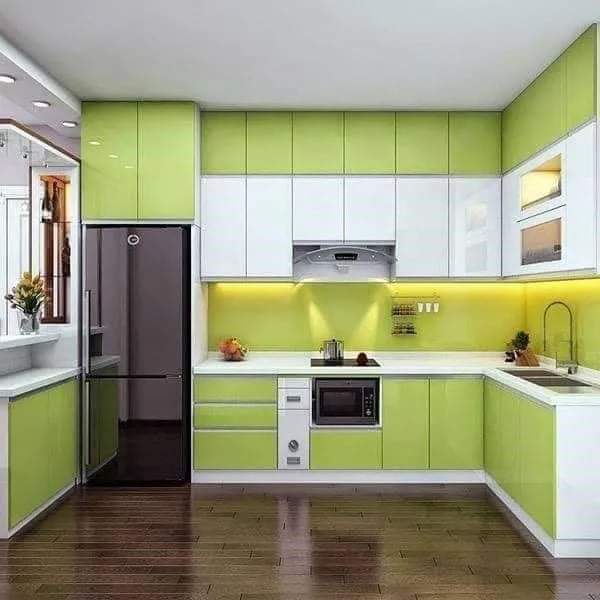
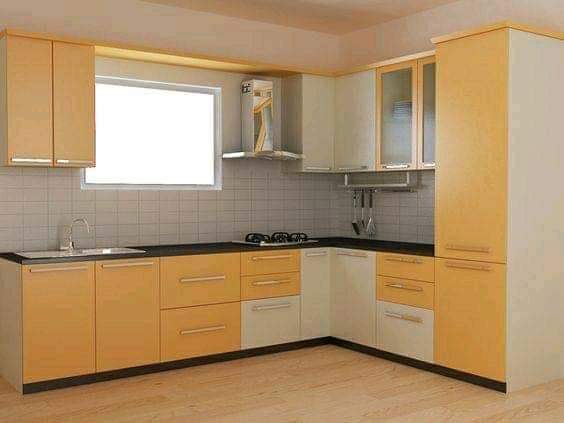
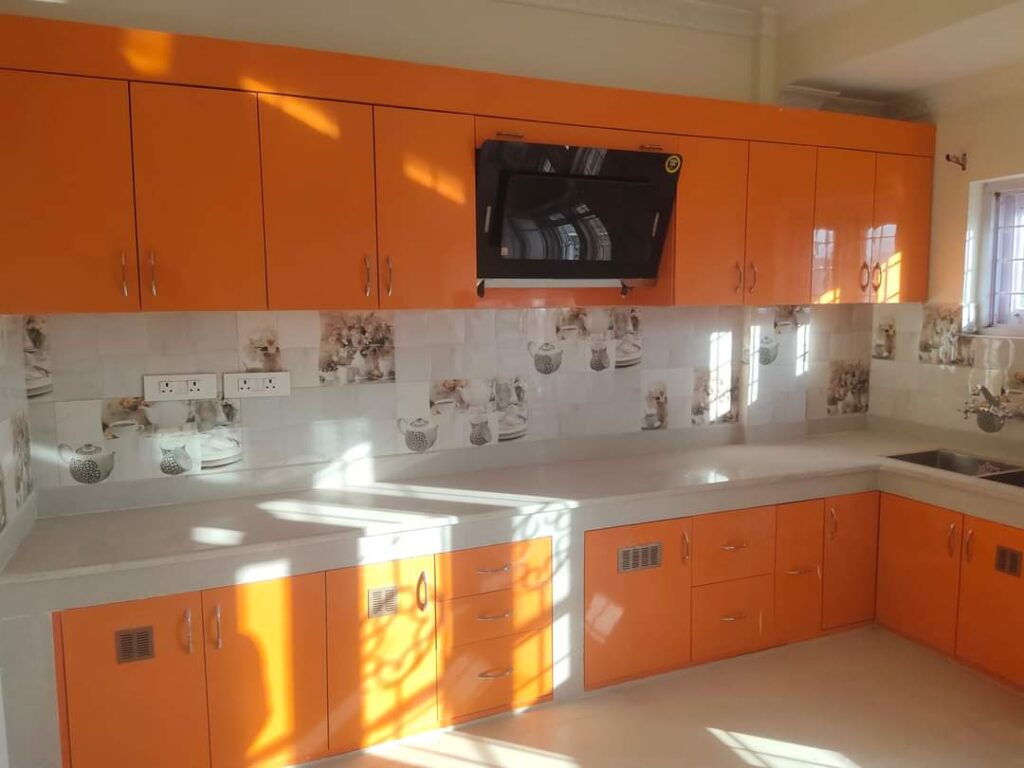
6. Not Planning Electrical Points Properly
Modern kitchens require multiple appliances:
- Microwave
- Oven
- Refrigerator
- Chimney
- Mixer grinder
- Water purifier
Improper electrical planning creates:
- Unsafe extension usage
- Wire clutter
- Insufficient sockets
Best Practice
Plan electrical points before installation.
Ensure separate power outlets for:
- Heavy appliances
- RO systems
- Refrigerators
- Induction cooktops
Professional electrical planning improves safety and convenience.
7. Ignoring Storage Requirements
Storage is one of the main reasons people choose modular kitchens.
Yet many homeowners underestimate their storage needs.
Common Storage Mistakes
- Too few cabinets
- No pantry section
- Wasted corner spaces
- No tall units
Smart Storage Solutions
- Pull-out pantry
- Tall storage cabinets
- Cutlery organizers
- Corner carousel units
- Overhead cabinets
Well-designed storage improves organization and kitchen cleanliness.
8. Selecting the Wrong Countertop Material
Countertops face:
- Heat
- Water
- Oil
- Scratches
- Heavy usage
Cheap countertops may crack or stain easily.
Popular Countertop Choices
- Granite
- Quartz
- Solid surface materials
Granite remains one of the most popular choices in Nepal because of durability and affordability.
9. Improper Appliance Placement
Appliances should be placed strategically.
Common Mistakes
- Refrigerator near cooking area
- Oven in tight spaces
- Dishwasher blocking movement
Better Planning
Ensure:
- Smooth movement
- Adequate ventilation
- Proper working height
- Accessibility
Integrated appliance planning improves overall kitchen workflow.
10. Ignoring Future Maintenance
Many homeowners install kitchens without considering future repairs or cleaning.
Problems
- Difficult access to plumbing
- Non-removable panels
- Hard-to-clean corners
Smart Approach
Choose modular systems that:
- Allow easy maintenance
- Provide plumbing access
- Use replaceable accessories
Maintenance-friendly kitchens last longer and reduce repair expenses.
11. Not Hiring Experienced Professionals
DIY planning or inexperienced contractors often lead to expensive mistakes.
Professional modular kitchen installers understand:
- Space optimization
- Material quality
- Appliance integration
- Electrical safety
- Ventilation planning
Why Professional Installation Matters
An experienced company can:
- Customize your kitchen
- Improve durability
- Optimize budget
- Deliver better finishing
Choosing the right modular kitchen provider is crucial.
Modular Kitchen Trends in Nepal
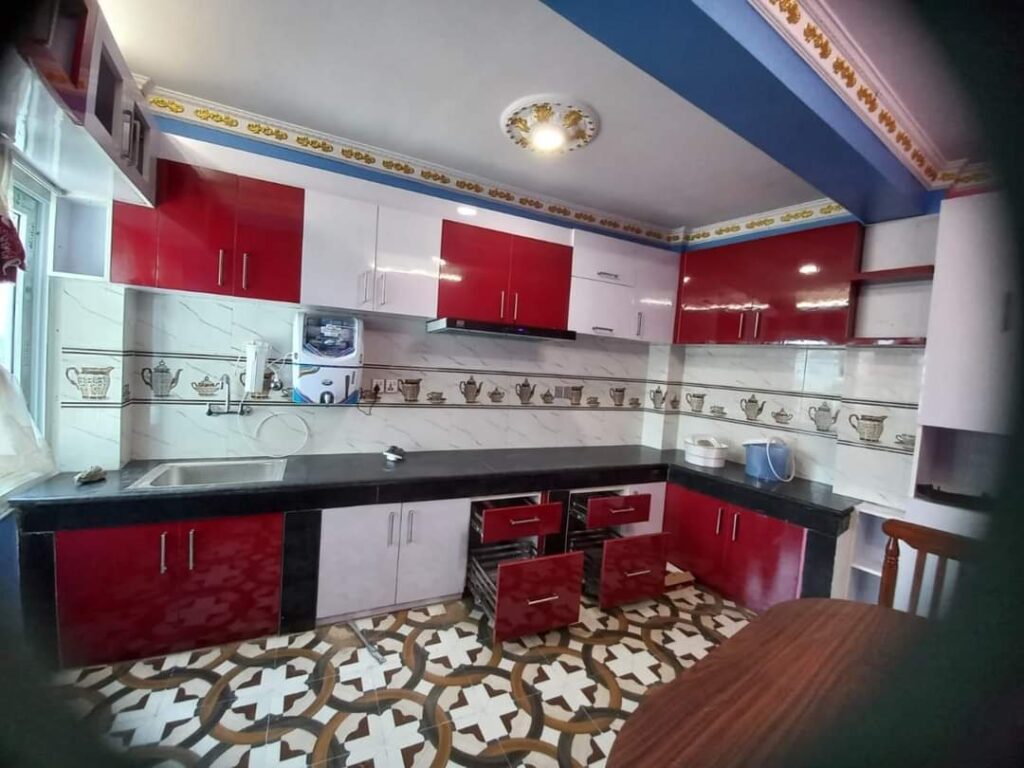
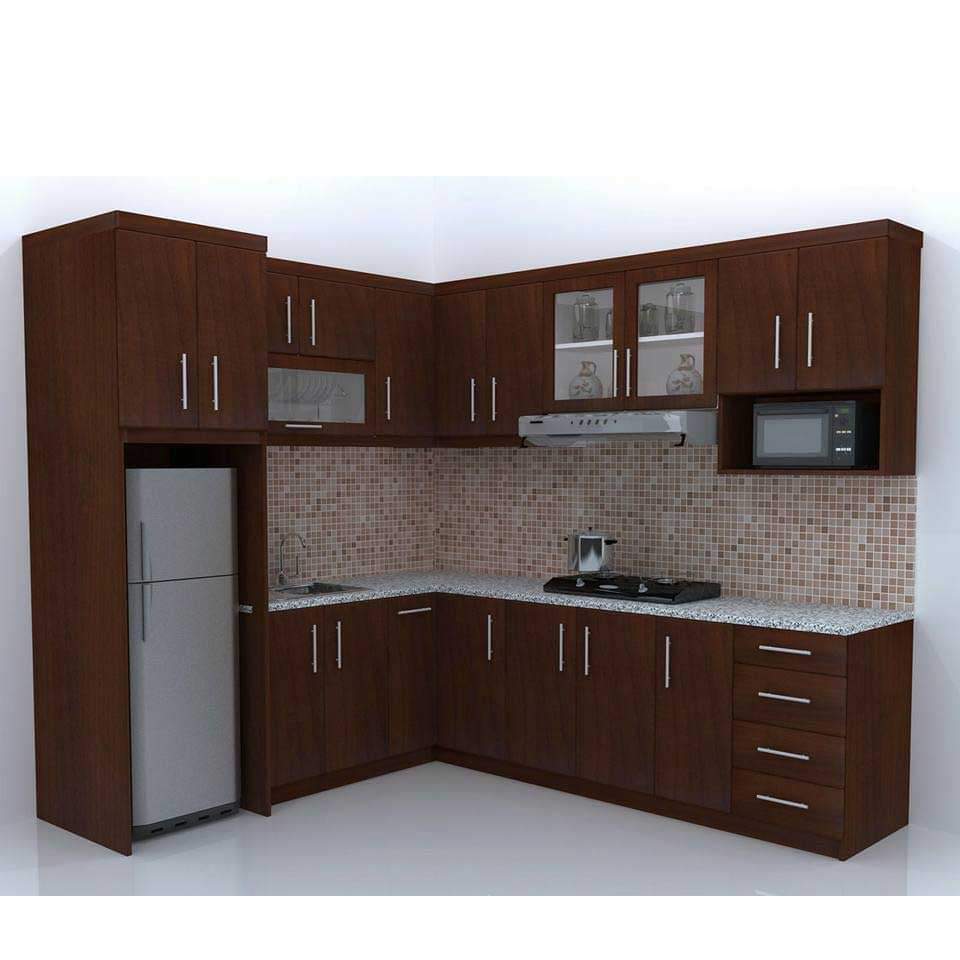
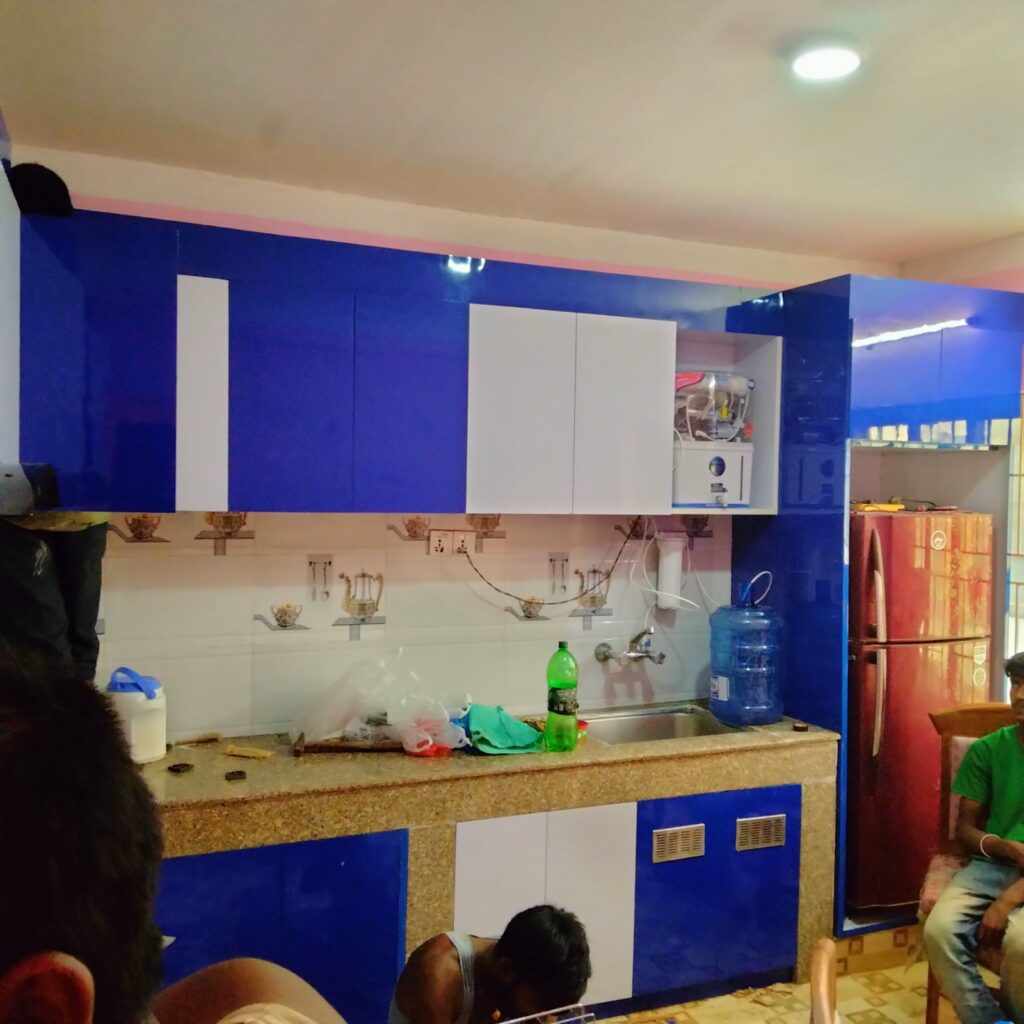
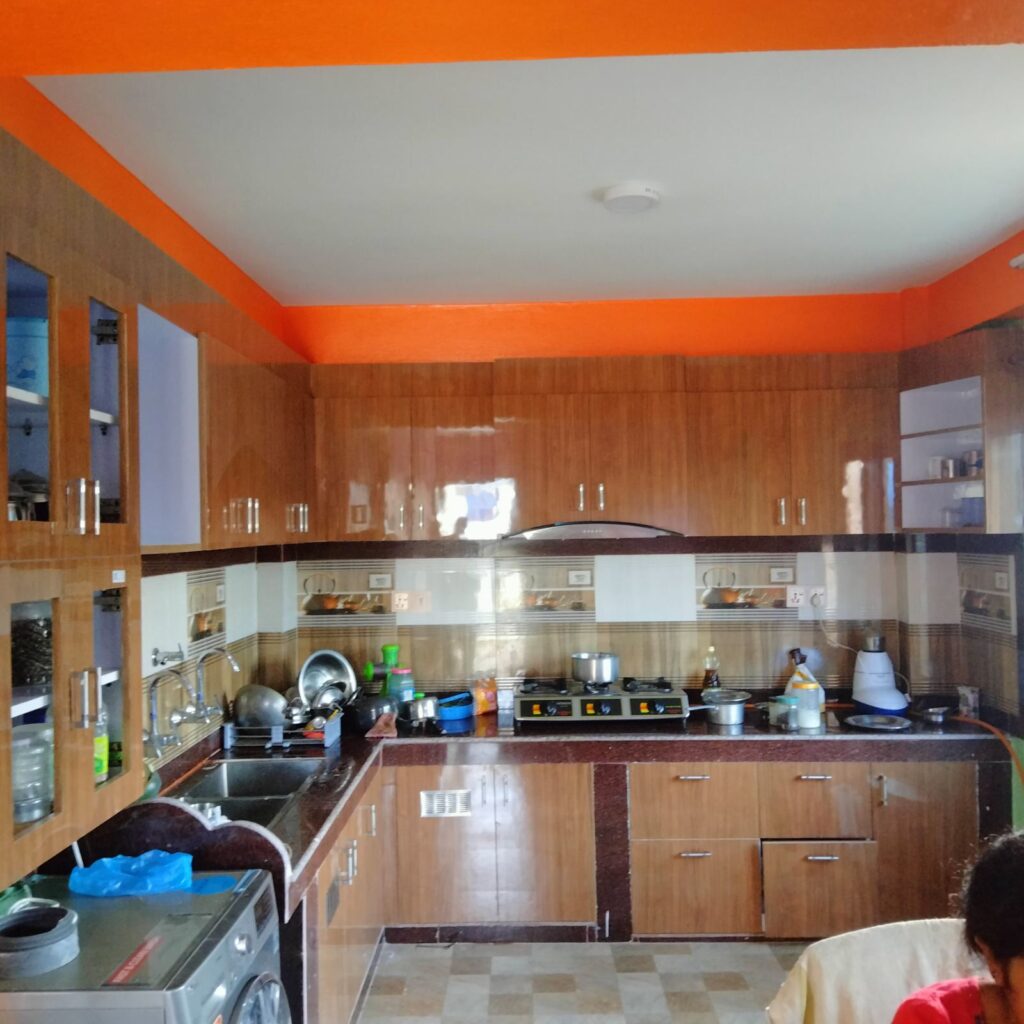
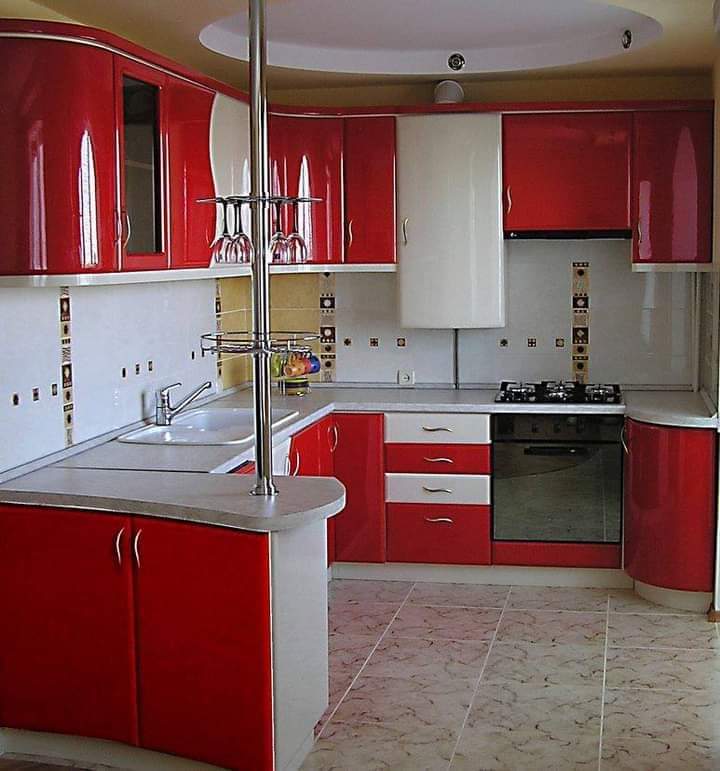
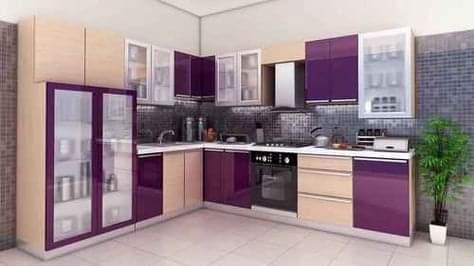
Current kitchen trends in Nepal include:
1. Minimalist Kitchens
Simple layouts with clean finishes and clutter-free storage.
2. Smart Storage Solutions
Pull-out units and hidden compartments are increasingly popular.
3. Matte Finishes
Matte laminates are replacing glossy surfaces due to easier maintenance.
4. Energy-Efficient Kitchens
People now prefer:
- LED lighting
- Energy-saving appliances
- Smart ventilation systems
5. Compact Apartment Kitchens
Urban apartments require efficient use of limited kitchen space.
Estimated Modular Kitchen Cost in Nepal
Modular kitchen prices in Nepal vary depending on:
- Kitchen size
- Materials
- Hardware quality
- Accessories
- Design complexity
Approximate Cost Range
- Basic modular kitchen: NPR 1.5–3 lakhs
- Mid-range modular kitchen: NPR 3–6 lakhs
- Premium modular kitchen: NPR 6 lakhs and above
Custom designs and premium imported accessories increase pricing.
Why Choose Multi Power Solution for Modular Kitchen Installation?
We provides complete modular kitchen solutions in Nepal with a focus on quality, functionality, and modern design.
Services include:
- Customized modular kitchen design
- Professional installation
- Premium kitchen accessories
- Chimney installation
- Kitchen appliance integration
- Space optimization
- After-sales support
The company also offers complete home solutions including:
Conclusion
Installing a modular kitchen is a major investment for your home. Avoiding common mistakes can save money, improve functionality, and increase the lifespan of your kitchen.
The key to a successful modular kitchen installation is balancing:
- Design
- Functionality
- Material quality
- Storage
- Ventilation
- Professional installation
Whether you are building a new house or renovating your kitchen, proper planning is essential for long-term satisfaction.
For expert modular kitchen solutions in Nepal, contact Multi Power Solution today.
FAQs
FAQs Regarding Modular Kitchen Installation
What is the biggest mistake in modular kitchen installation?
Poor planning and ignoring functionality are among the biggest mistakes homeowners make.
Which material is best for modular kitchens in Nepal?
Marine plywood with waterproof laminates is highly recommended for Nepal’s climate.
How much does a modular kitchen cost in Nepal?
The cost generally starts from NPR 1.5 lakhs and increases based on size and materials.
Why is ventilation important in a modular kitchen?
Proper ventilation prevents grease buildup, odor, moisture damage, and poor indoor air quality.
How long does a modular kitchen last?
A high-quality modular kitchen can last 15–20 years with proper maintenance.
Is a modular kitchen suitable for small apartments?
Yes. Modular kitchens are ideal for compact apartment spaces because they maximize storage and efficiency.